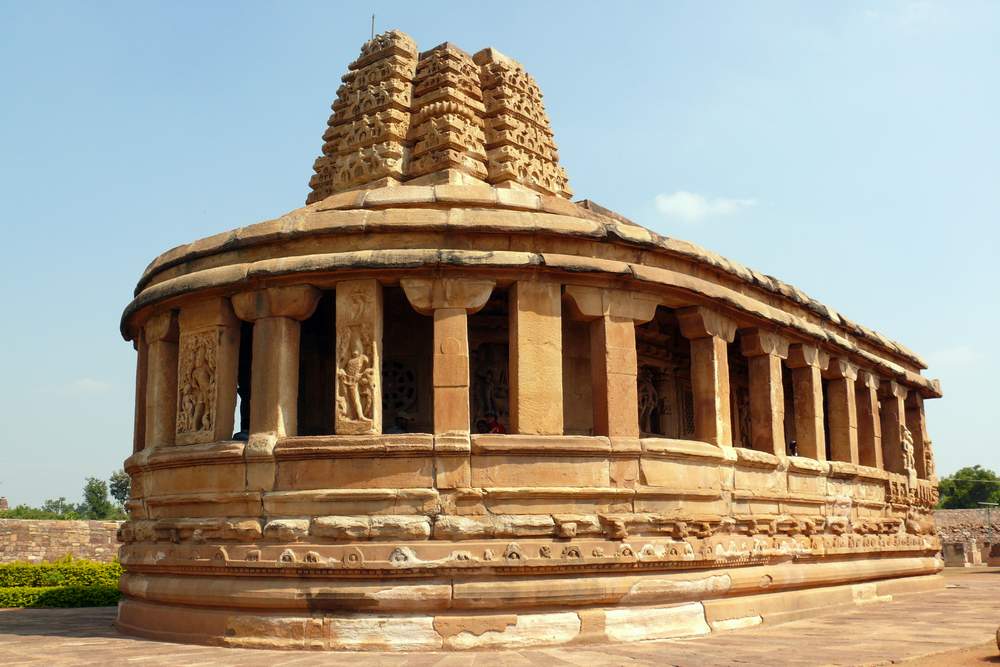
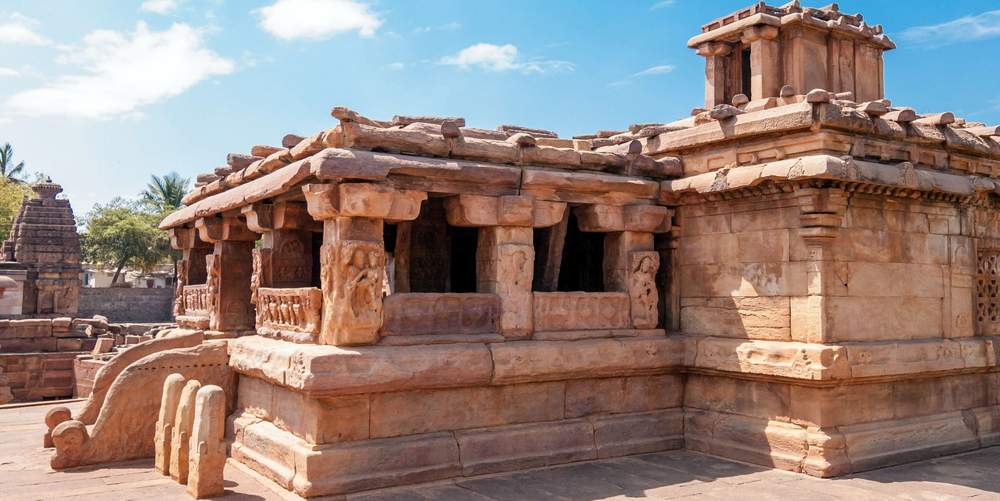
Durga temple is the biggest and arguably the most attractive temple at Aihole. Though it is called Durga Temple, it has nothing to do with goddess Durga or Durgi. The name of the temple may have derived from the word ‘durga’ meaning fort. As one enters Aihole from the north, this temple is found near the fort and people should have named it Durga (fort) temple.
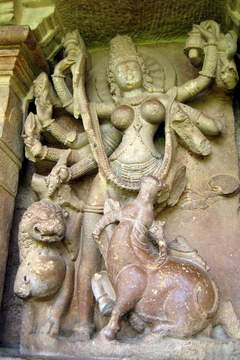 The most important charm of this temple for which it is celebrated is the apsidal character of the posterior part of this architecture. Generally apsidal or gajapristha form is found in Buddhist monuments. Nevertheless, this temple being non-Buddhist and yet having an apsidal posterior part is an mystery, which has not been explained satisfactorily by art historians. Conceivably one of the architects experimented with this type of plan in the Hindu temple and it did not become popular and for this reason given up. There is a comparable apsidal temple at Mahakuta, very close to Aihole which was also an primitive Chalukyan art center.
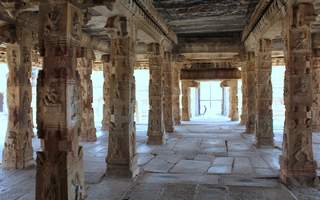
The temple consists of an apsidal garbhagriha, sabhamandapa, a mandapa and a mukhamandapa in east-west axis and the temple opens to the east. The temple has a base of six different moldings. The temple is entered through two flights of steps to the south and north of the mandapa. On the basement are square pillars all the way through the construction including the apsidal garbhagriha.
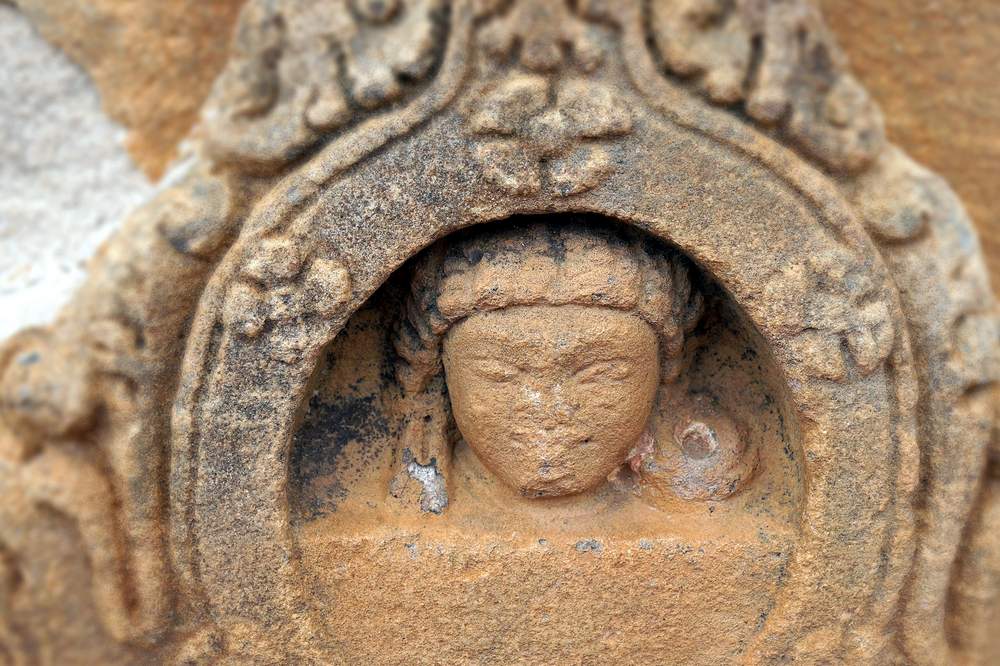
The rows of pillars contains two pradakshinapathas, which is an exceptional architectural feature. The longish sabhamandapa has been divided into three portions by its pillars. The large number of pillars in this temple have been utilized by the artists to carve a large number puranic stories and self-supporting sculptures. These sculptures are of high order and add refinement and charisma to this temple.
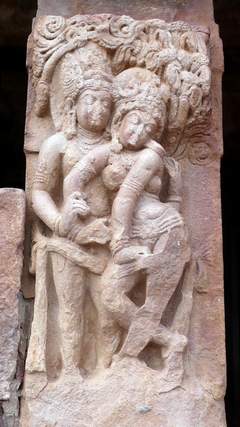
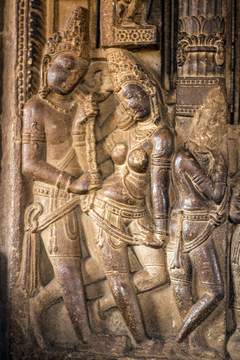 On the pillars of the mukhamandapa are found passionate couples in various suggestive poses. On another pillar is found Shiva dancing on apasmara. The inner wall of the mukhamandapa has Ramayana panel, Ardhanarisvara and Ugranarasimha killing Hiranyakashipu. The front entrance of the mandapa is well carved with dvarapalas, Yamuna and Ganga, and further sculptures.
Unfortunately, there are no inscriptions to date this temple. Derived from stylistic evidence, various dates have been assigned to this temple. While many scholars consider 600 C.E. as the date of this temple, some others assign it to seventh century C.E.
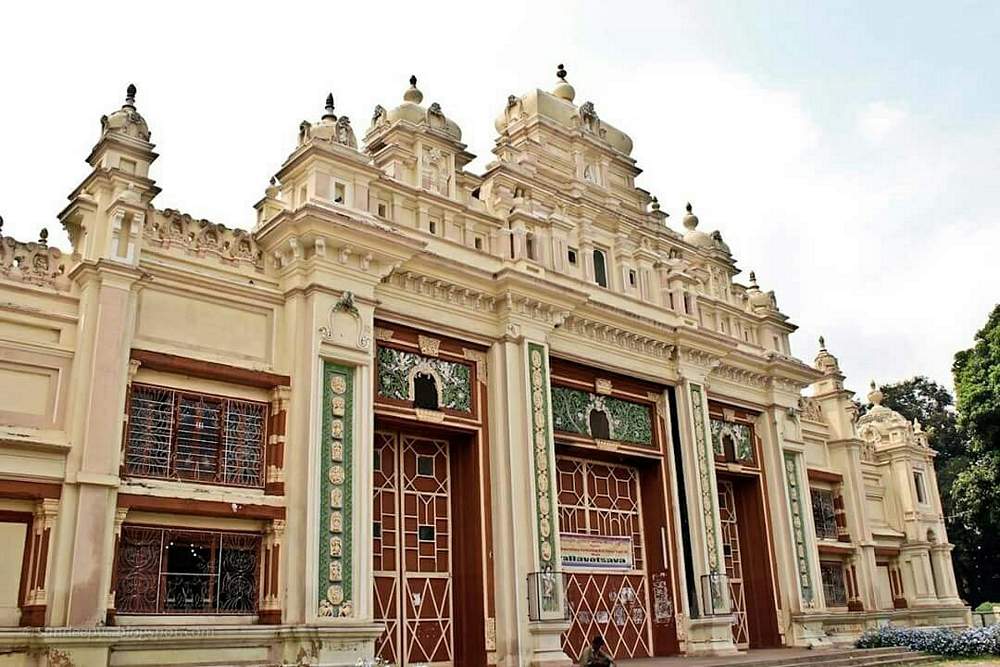
 This palace also served as the durbar hall until the completion of the new pavilion in 1910. Another important function that took place here was the installation of His Highness the Maharaja in 1902 which was graced by
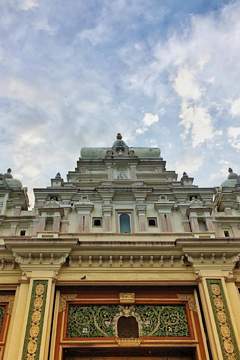 The central part has a vimana like tower with minarets and kalasha. The miniature sikharas on either side have chaitya like niches and the same is found at the central dome. Thus, it looks very elegant. It has a vast enclosure with a fine garden and huge shady trees. Hundreds of tourists visit this palace daily to get a glimpse of the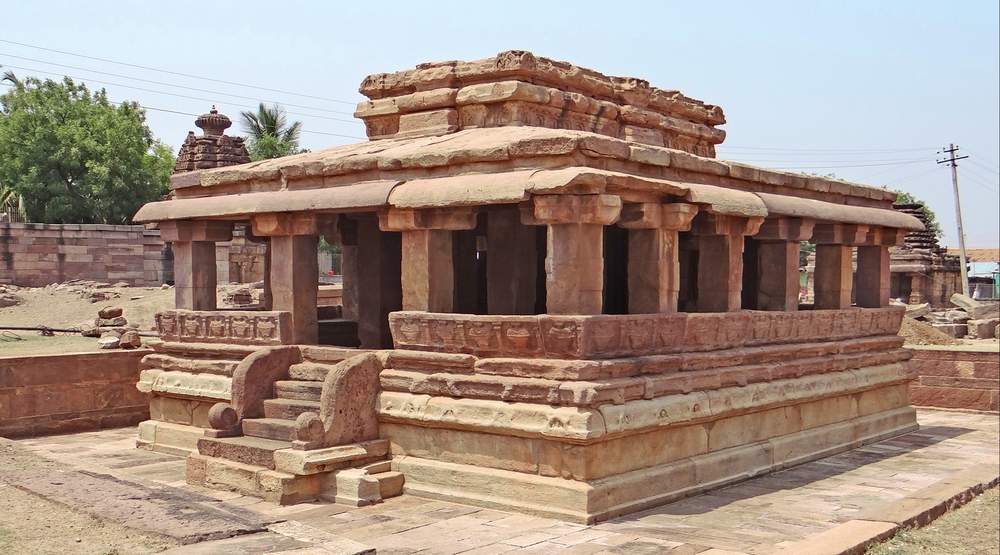
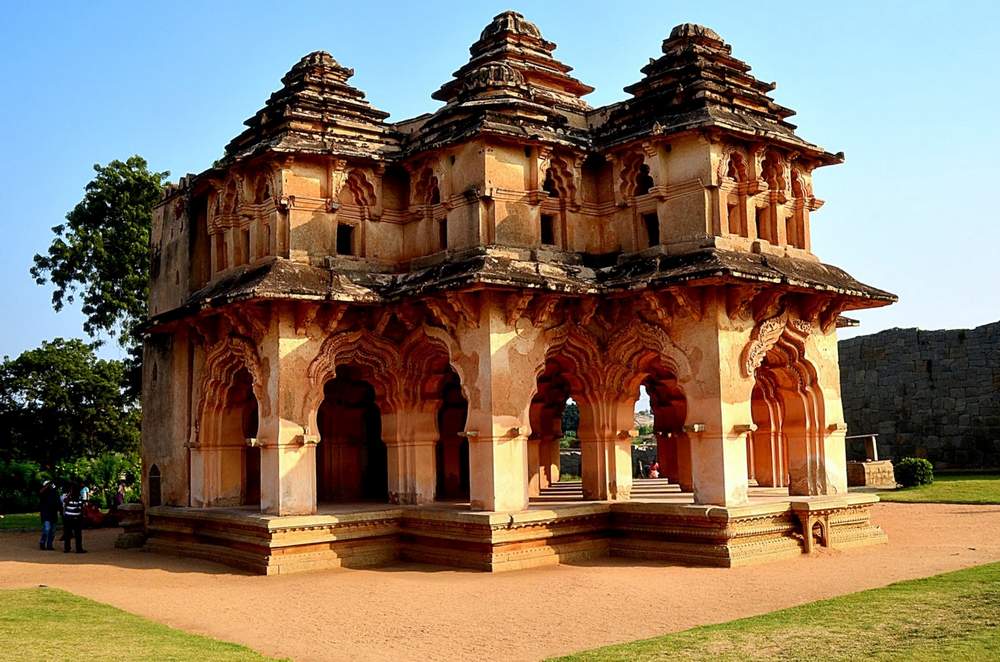
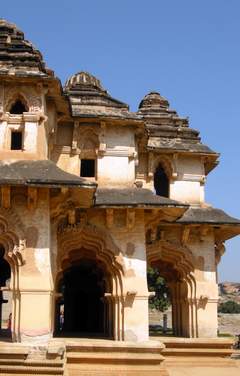 The structure of the Lotus Mahal is built of brick and mortar with smooth and glossy plaster finishing. Yet, the platform or the basement of the building is built of stone. It has indented outlines with sharp corners, with excellently bedecked moldings at the bottom on all the sides. The structure has two stories.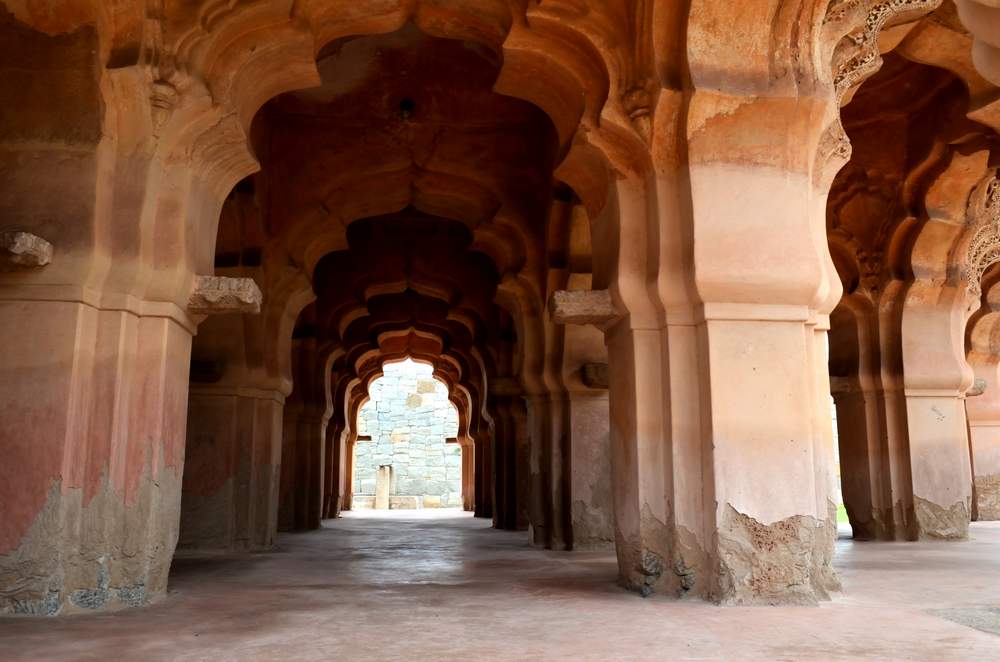
 It has a distinctive plan and does not give the mark of a temple at all in the first instance. In reality, it looks like a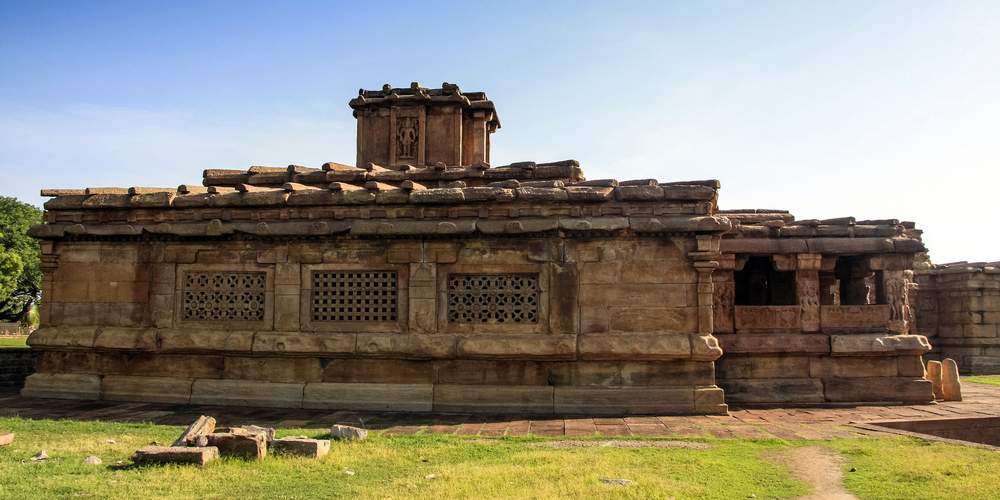
 1.25 cups
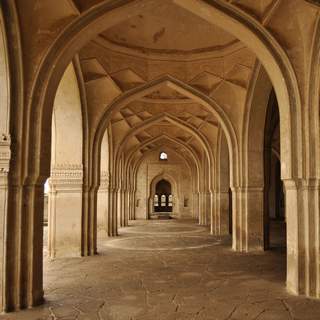 The interior of the sanctuary is equally elegant and impressive. It consists of a large quadrangle, which measures 208 feet in length and 107 feet in width. This is divided into five aisles with the help of arches.
 In a pan of boiling water, cook the new potatoes for 15 minutes, until they are almost cooked trough yet give some resistance when pierced with a fork. Drain and set aside.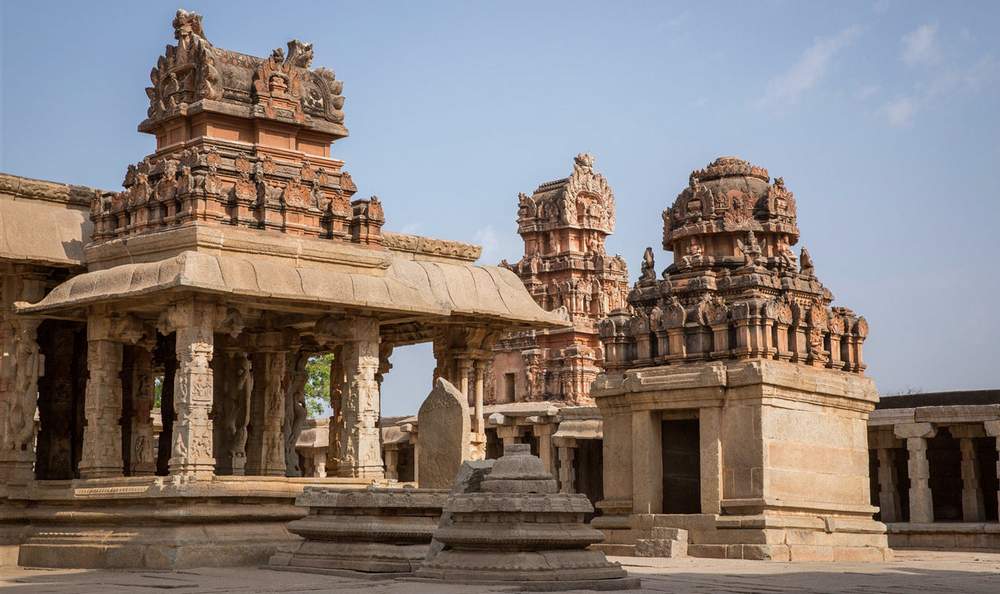
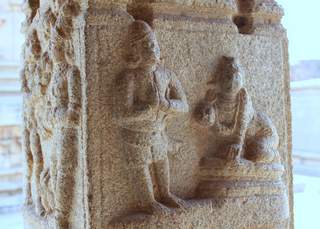 The square garbhagriha is bare now, as the original image of Krishna has been removed. It is made out of greenish black granite showing Krishna as a child seated on a pedestal. The front entrance is well decorated with
  This temple is famous for the huge gateways at north, south, and east. The eastern gateway or the mahadvara is enormous and graceful and perhaps one of the best specimens of that type in Hampi. Thus, Krishna temple was one of the most popular