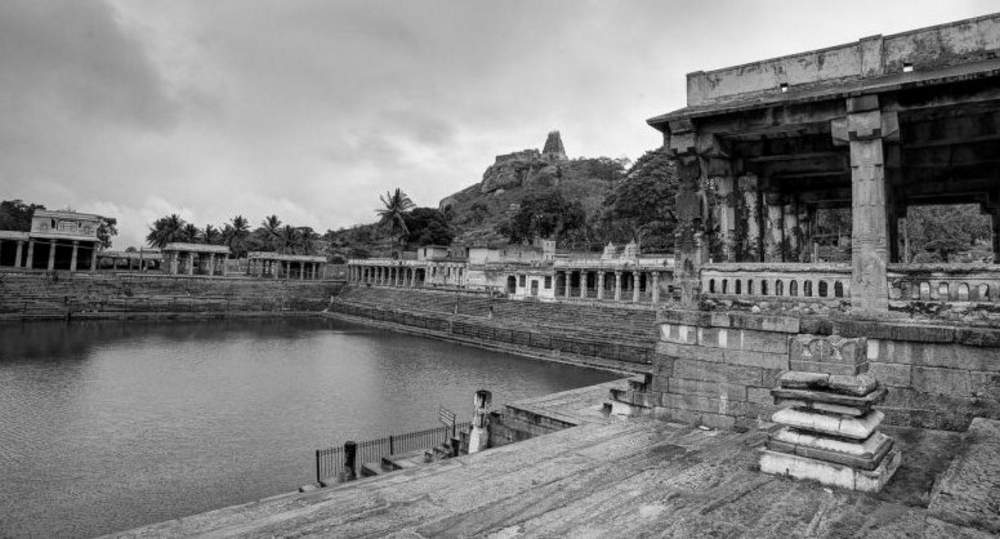
Melukote in Mandya district of Karnataka is a sacred Srivaishnava centre where the great saint Sri Ramanujacharya spent his early years after coming to Karnataka from the Chola country.
If a general view of Melukote is taken, two landmarks become most conspicuous by their location and they are the Narasimha hill and the Kalyani or the pushkarini. The beautiful holy water tank or the pushkarini is just at the western foot of the Narasimha hill. As a matter of fact, it is the main source of water supply to the entire town even today.
The pushkarini is considered sacred because of the belief that the great saint Sri Ramanujacharya used to take bath here when he was living at this place. Hence, a ritual dip in this pushkarini is considered sacred. Because of this sacred nature, a large number of minor shrines and mandapas were built around this tank in recent years, for the performance of various temple rituals and festivals.
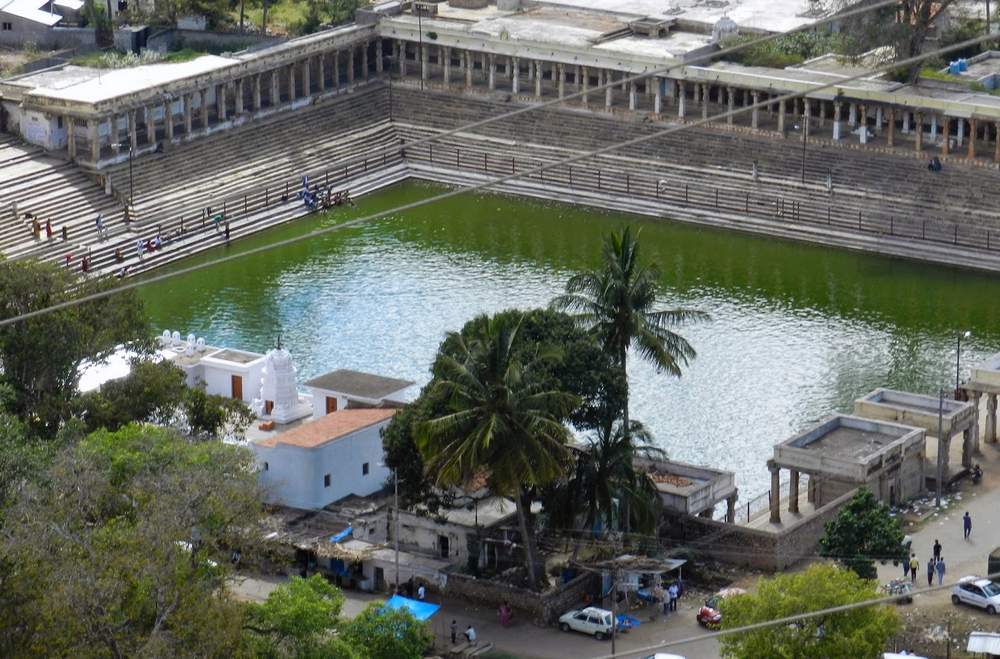
The pond itself is almost square each side measuring 300 ft. On all the four sides are neatly built stone steps leading to the water of the kalyani. Of all the mandapas and shrines that are built on the border of the pushkarini, the prominent place goes to the Bhuvaneshwari mandapa. It is an elegant octagonal structure built over eight tall and slender pillars. This is an open pavilion with a broad and crisp eave running all-round. Over this is a parapet with decorations and niches and it is surmounted by a stucco tower in the centre. This was constructed at the order of Krishnaraja Wadeyar III in the early part of the 19th century. Though small, it is very elegant and has added a rare charm to the pushkarini.
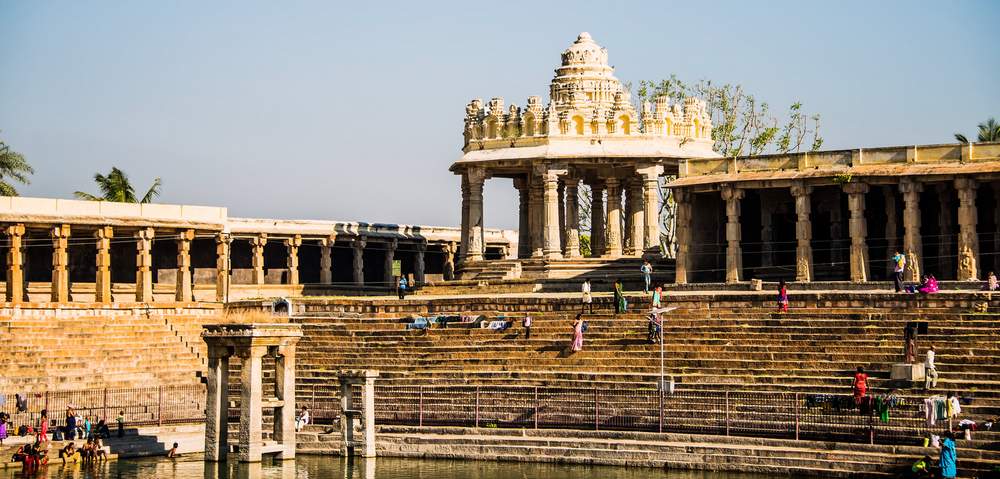
Ahobila matha on the northwestern corner has an image of Lakshminarasimha installed in the 19th century. To the east are two more mandapas by the side of a sacred pipal tree. To the western side is what is called Pancha Bhagavatha mandapa. On the northern side is a small cell wherein is placed Adishesha. Then there is another mandapa with over fifty pillars. Then there are four more mandapas where the kalyanotsava of the deity Narayana takes place.
Then there is a Nagavalli mandapa and a Varaha mandapa. By its side is the Bindu Madhava temple with a five feet image of the god holding sankha, chakra, gada and padma. The image seems to be of the Hoysala period.
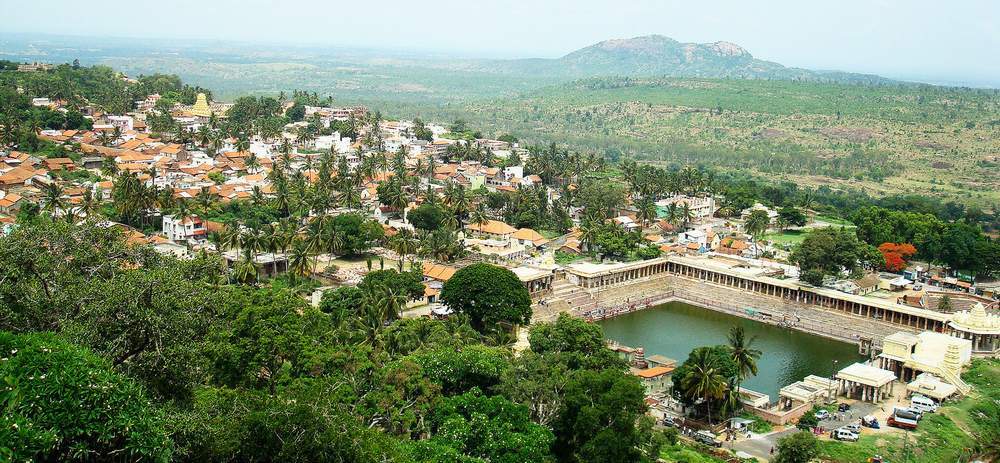
The other structures are Parakala matha, Venkataramana temple, Kanchi matha and Rama temple. Thus, the pushkarini is not only beautiful but also has many mandapas where many rituals take place.
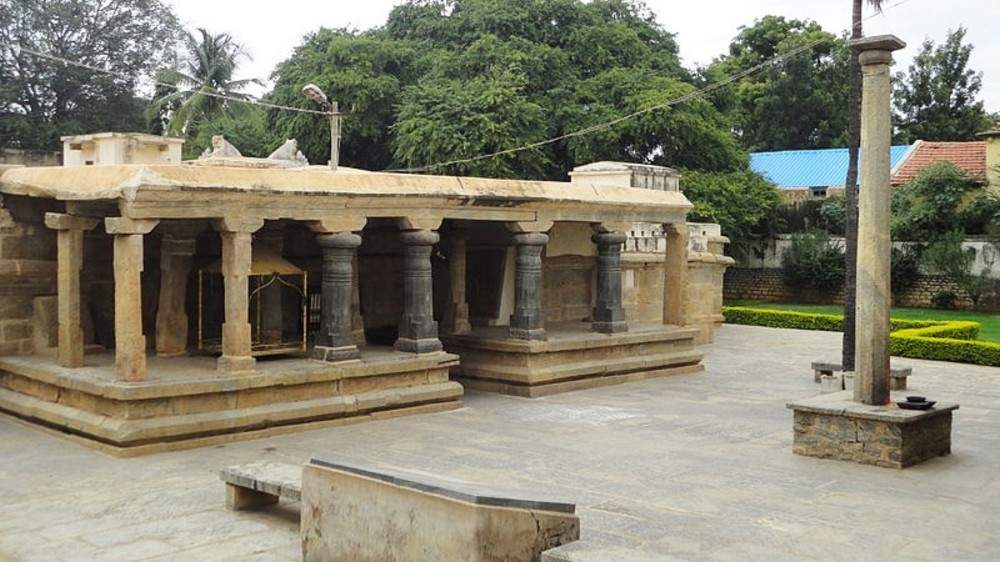
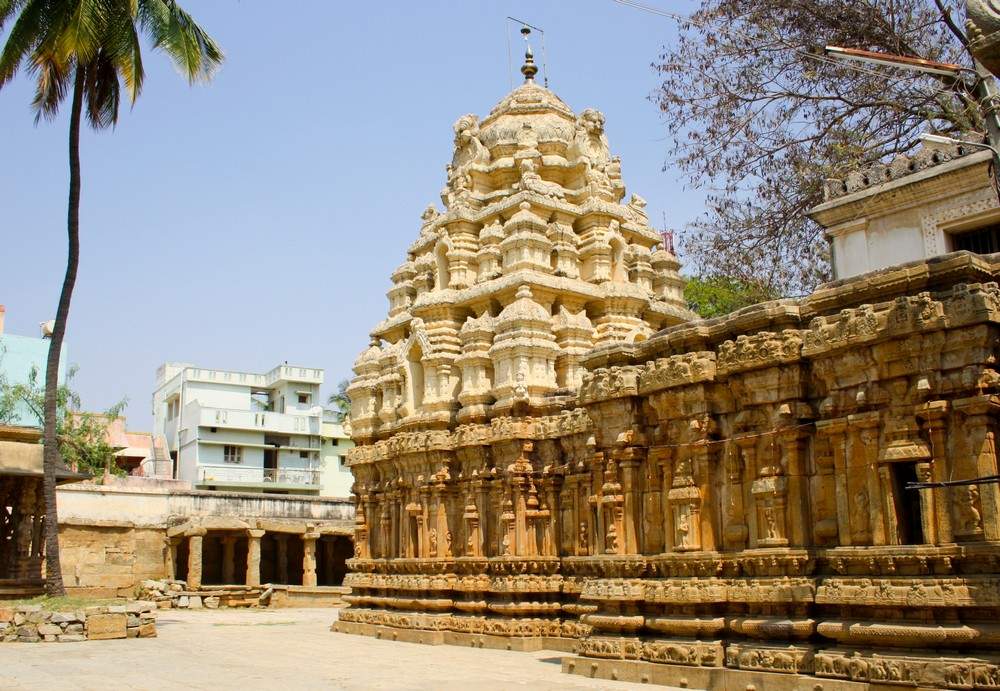
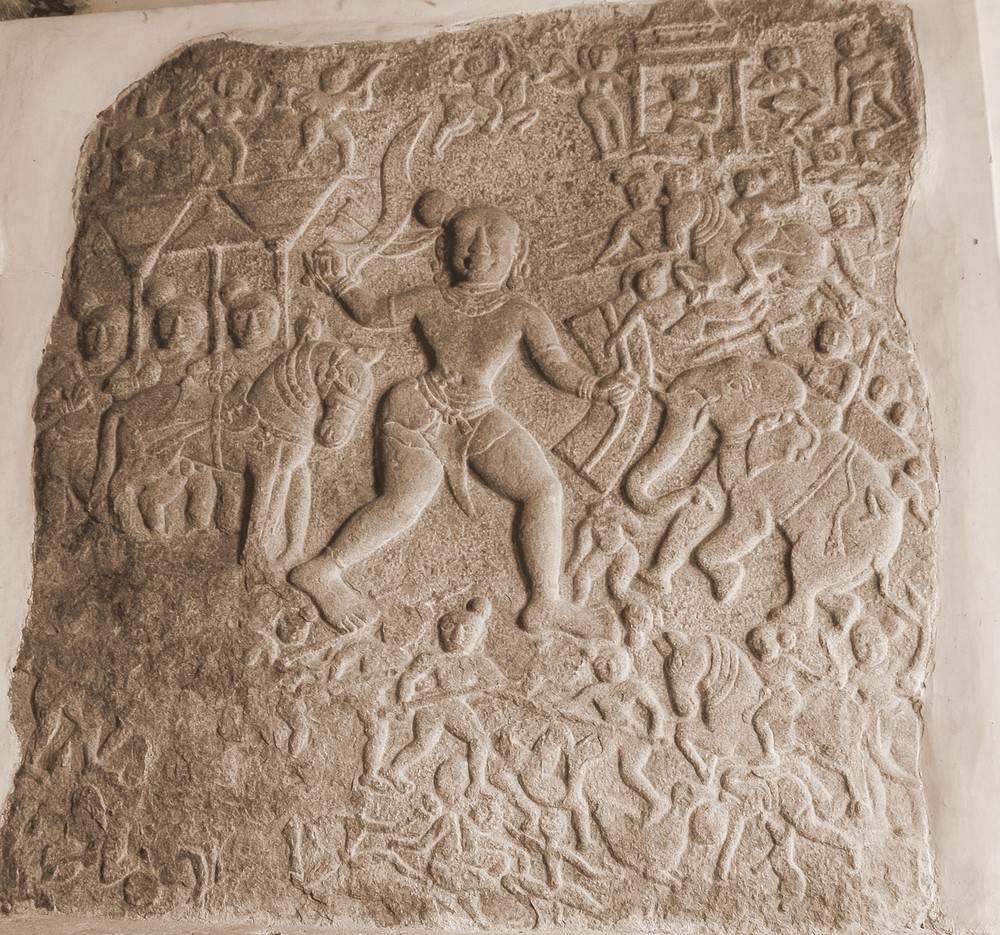
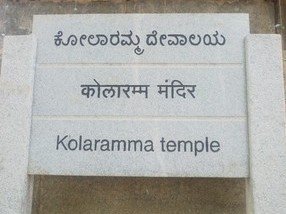
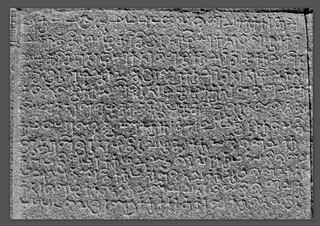 The Kolaramma temple is a Chola temple as evidenced by an inscription of 1033 CE. According to this inscription, the Kolaramma temple was built at the order of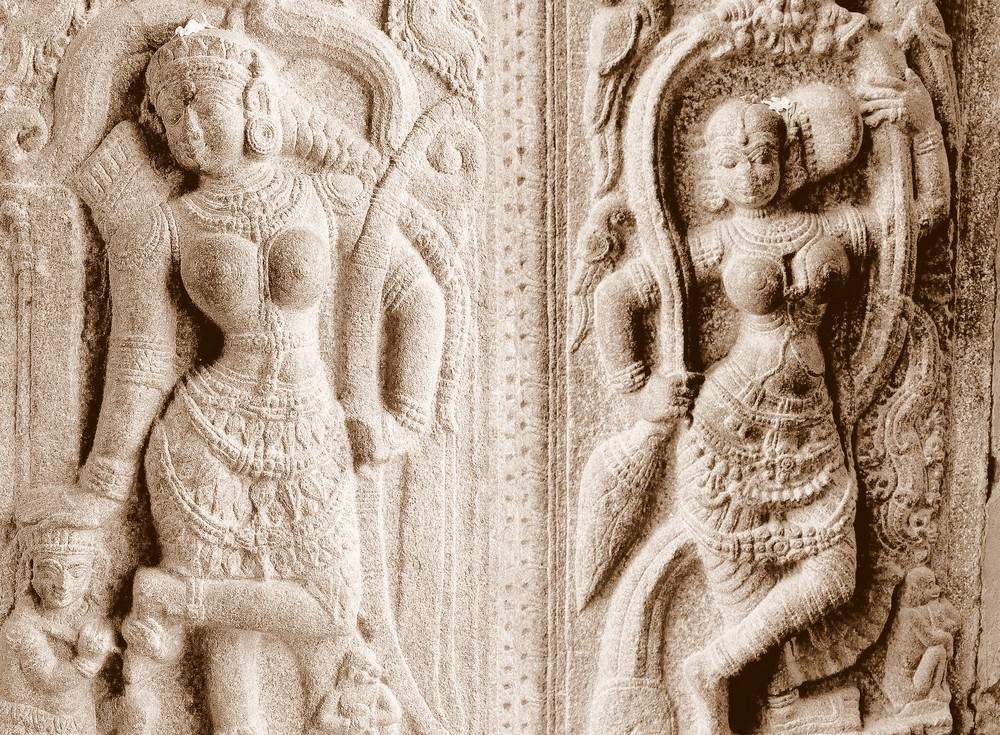
 The goddess in the sanctuary was
  The temple is a center of Shakti veneration, a sect of ancient origins of the divine creative force of the
  Much of life is dedicated to minimizing pain and maximizing ecstasy. We have become more and more sophisticated in our technology—we can live in space and map the human genome. Yet we have not been efficacious in our quest to culminate woefulness. Our age-old
 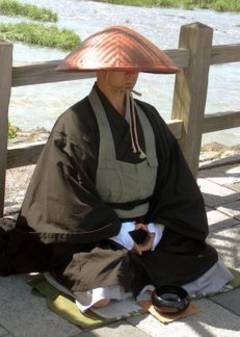 According to Zen Buddhism, the only source of energy that can be subsidiary is commiseration, for the reason that it is safe. When you have commiseration, your energy is born from insight. It is not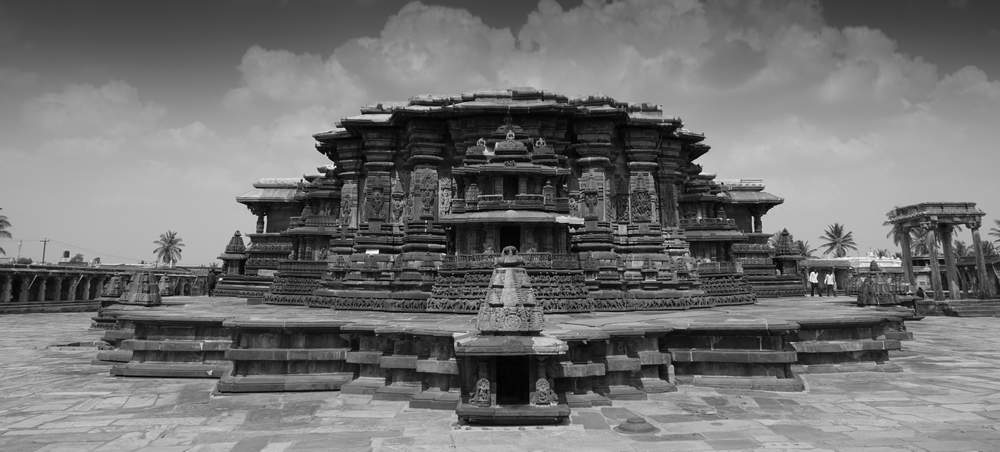
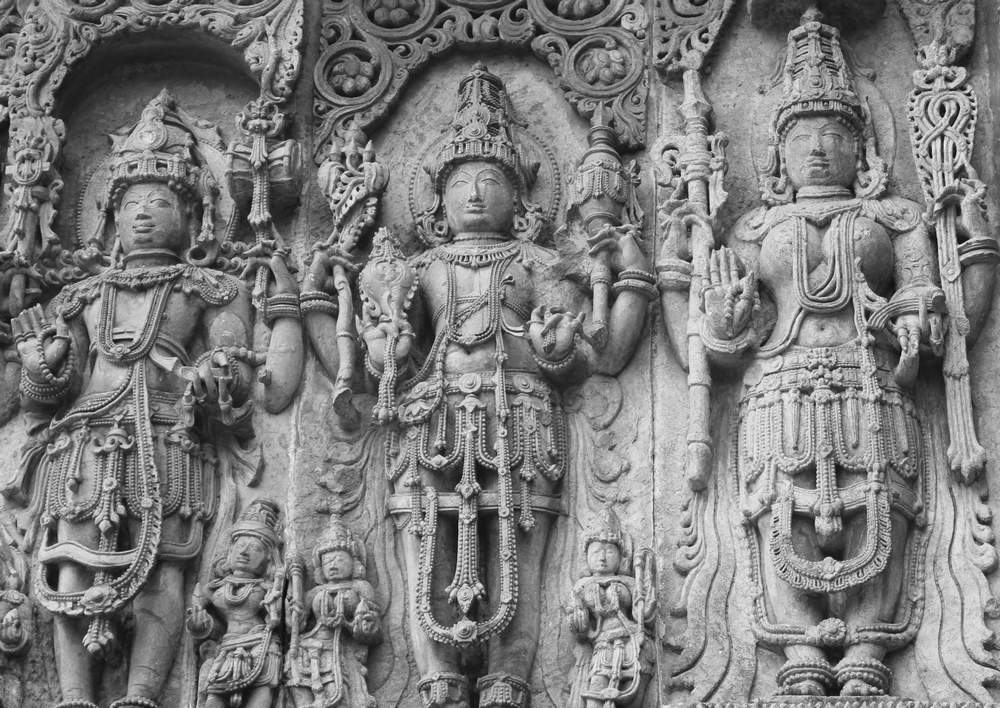
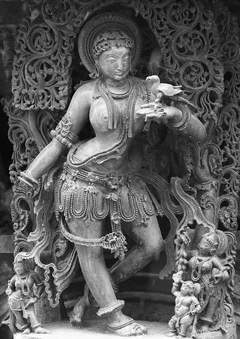 The ornamented windows called jalandhras which were added at a later date allow sufficient light and air to enter the interior of the temple. Over the sculptures and on the level of the roof are bracket figures known as silabalikas or madanikai sculptures. They represent beautiful damsels in various moods representing feminine charm and grace and perhaps these are the best creations of the Hoysala sculptors of the Belur temple. Vishnuvardhana’s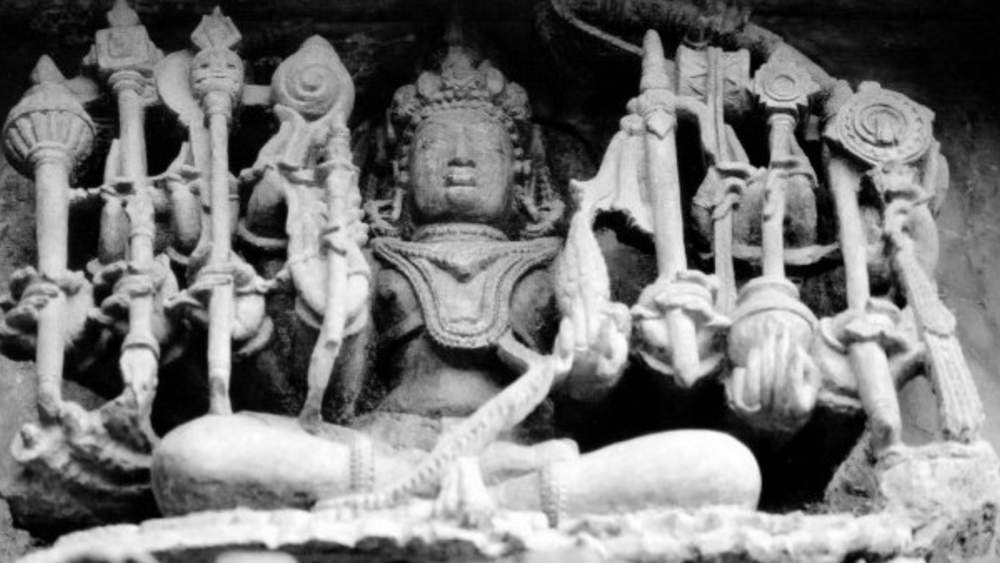
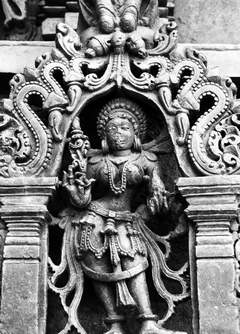 Inside the garbhagriha is the sculpture of Chennakeshava or Vijayanarayana of about nine feet in height holding sankha, chakra, gada and padma in his hands, with a karanda makuta (crown) at the head. Bhudevi and Sridevi are standing at the bottom. Famous sculptors like Dasoja, his son Chavana, Nagoja, and others made this beautiful temple, the pride of Karnataka.
 Despair and anxiety can never be worked through until one confronts them in their stark and full reality. One can never apply some center from the outside. Difficult as the task is, we must accept ourselves and our society where we are, and find our ethical center through a deeper understanding of ourselves as well as through a
  Our struggle is obligatory, but it is eventually just our inclination to be present that counts and that this is the true effort of the way. Glad to know that you have time to meditate. In a country like America, where people can do so many things, and where there are so many distractions, to meditate is not easy. One gets older doing this and that, finding no real satisfaction in anything. Coming to accept that there is nothing wrong with me has been a very important part of growing up.
 Just as gainsaying, the linear conception of time establishes an incipient area of ethical responsibility, so in taking up this responsibility we locate ourselves more entirely and firmly in history. On retreat, you are living with many people, which may create an uncomfortable environment. It is from this particular viewpoint that the rationale for this interpretation has developed. To paraphrase lines three and four: As soon as you
  The Dharma being the collection of Universal Laws, is worthy of knowing whether one is a Buddhist or not. However, to follow your own nature, in this sense, is not the same as following your personal habits or whims, as in the expression “be natural?” Nature here refers to your
 .jpg "'The Art of Happiness' by Dalai Lama (ISBN 1594488894)")
.jpg "'A Profound Mind' by Dalai Lama (ISBN 0385514689)")
.jpg "'Beyond Religion' by Dalai Lama (ISBN 054784428X)")
.jpg "'The World of Tibetan Buddhism' by Dalai Lama (ISBN 0861710975)")