London is a city that truly lives and breathes books. It has long been home to some of the greatest figures in English literature, and that legacy is still very much alive in its streets. Take a stroll through the city, and you’ll quickly sense that London is not just a backdrop for stories; it’s an ongoing celebration of the written word.
But London’s literary scene isn’t just about history—it’s vibrant and constantly evolving. Creativity is everywhere, and each corner seems to hold something new, whether it’s a forgotten classic or an exciting new release ready to capture your attention.
What makes London particularly special is its inviting literary culture, especially in its independent bookshops. These aren’t your typical bookstores; they are places where books themselves seem to tell a story. The staff are not only knowledgeable but also passionate about helping you discover books you never even knew you needed. You might walk in for a quick browse and leave with a hidden gem—or perhaps find yourself at an event that changes your perspective.
Here are thirteen must-visit spots for any book lover. Explore them to find your next great read while soaking in some history, a touch of royalty, or even a bit of whimsy. And don’t forget to inquire about upcoming events, book launches, or discussions—you never know what delightful surprise might await you.
Daunt Books (Marylebone)
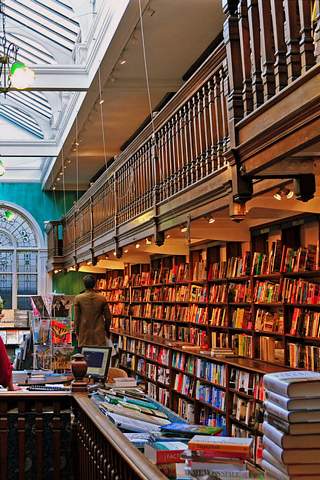 Founded in 1990 by former banker Achilles James Daunt, Daunt Books on Marylebone High Street is often hailed as the most beautiful Edwardian bookshop in London. Every time I visit, I’m struck by the stunning oak galleries, skylights, and graceful Edwardian design that create a timeless atmosphere. It’s easy to get lost in the space. Known for its impressive collection of travel guides and maps, the shop also offers a diverse range of genres, all thoughtfully organized by country, making it easy to find books set in specific locations.
The warm and welcoming staff are always ready with great recommendations. What I love most is how the shop’s focus on adventure, exploration, and discovery is reflected not only in its books but also in its design. With soaring bookshelves and mezzanine floors, Daunt Books invites long, leisurely browsing. The charm doesn’t end there—Daunt Books also has locations in Hampstead, Holland Park, Belsize Park, and Cheapside, offering the same literary appeal. Strictly speaking, Daunt Books isn’t quite a single independent store, but rather a beloved chain. And if you’re visiting in the spring, the Daunt Books Festival is an event not to be missed.
In 2006, Daunt Books introduced a cute canvas tote bag as a giveaway for customers spending over £50. This bag was later replaced with a larger, long-handled version, now available for purchase in various colors. Made in India by a social enterprise, the bags feature a line drawing of the Marylebone shopfront and remain free with purchases over £80.
- Getting There: The nearest tube stop is Marylebone, though Regent’s Park station on the Bakerloo line is also nearby.
- Nearby: Regent’s Park, a royal park perfect for a peaceful stroll, is just a short walk away. Attractions such as Madame Tussauds, Baker Street, and Oxford Street offer plenty of shopping and sights, while The Wallace Collection and the Royal Academy of Music provide rich cultural experiences.
Word on the Water (King’s Cross)
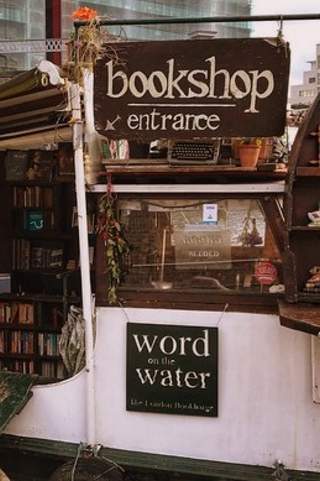 Tucked away on Regent’s Canal in the King’s Cross area, this charming floating bookstore is a true gem. Located at Granary Square, though it has historically moved along the canal network, the bookstore has a cozy, welcoming atmosphere, especially during the winter months when the fireplace is crackling. Named after the concept of “words on the water,” this unique barge brings an added touch of whimsy to London’s literary scene. The shop specializes in a carefully curated selection of fiction, non-fiction, and poetry, with a particular emphasis on independent publishers and hidden gems.
The intimate, cozy setting of the boat creates a personalized experience, where the friendly staff are always eager to chat about books and offer great recommendations. With wooden shelves filled with books and comfy seating areas, the shop invites you to linger and explore. Before you visit, I highly recommend taking a stroll along the canal—it’s the perfect setting for reading while watching the boats drift by. While the boat has recently become a favorite spot for Instagrammers and TikTok influencers, it’s the charm of the place and its thoughtfully chosen books that truly make it stand out in today’s literary boom.
- Getting There: The nearest tube station is King’s Cross. The area got its name from a monument to King George IV, erected in 1830 at a busy crossroads. The statue was so unpopular that it was taken down by 1845, but the name has stuck.
- Nearby: Granary Square, with its modern fountains and cafes, is a great place to relax. The British Library, home to rare manuscripts, is nearby, and King’s Cross Station offers the iconic Platform 9 3/4 from the Harry Potter series. For shopping, head to Coal Drops Yard, and if you enjoy a scenic walk, Regent’s Canal is right on your doorstep.
Hatchards (Piccadilly)
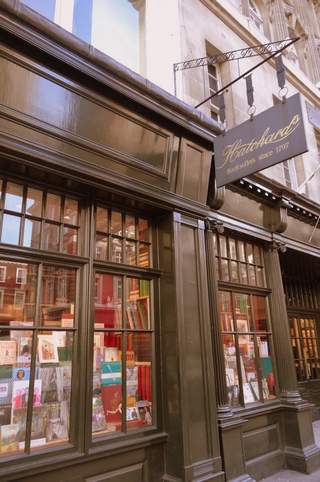 Hatchards, established in 1797, is not only one of London’s oldest bookstores but also the oldest independent one in the city. Located near Piccadilly Circus, this historic gem has been at its current location since 1895, offering a remarkable selection of books, from rare antiquarian volumes to contemporary fiction and non-fiction. Over the years, it has attracted notable figures such as Oscar Wilde, Virginia Woolf, and Ian Fleming. It also holds three royal warrants granted by King Charles III, Queen Elizabeth II, and Prince Philip—an official recognition allowing Hatchards to supply goods and services to the royal family, a mark of both prestige and trust.
On my first visit, I was immediately captivated by the elegant Georgian architecture and the timeless charm of its wood-paneled walls, winding staircases, and shelves filled with literary treasures. The personalized atmosphere is one of the highlights, with staff who specialize in specific genres and are always happy to offer tailored recommendations or track down hard-to-find books. The carefully curated collection and dedication to quality make Hatchards a true haven for book lovers. Be sure to take your time exploring all the levels, especially the upper floors, where rare and vintage titles await. And don’t miss the ground floor main table, now known as Oscar’s Table—this was Oscar Wilde’s favorite bookshop, and he would often sign his books there.
- Getting There: The nearest tube station to Hatchards is Piccadilly Circus, placing it at the cultural heart of London.
- Nearby: Leicester Square, a lively entertainment hub, is nearby, while Covent Garden offers markets, street performers, and eateries. Art lovers can explore The National Gallery, and St. James’s Park provides a peaceful retreat with views of Buckingham Palace.
Shapero Rare Books (Mayfair)
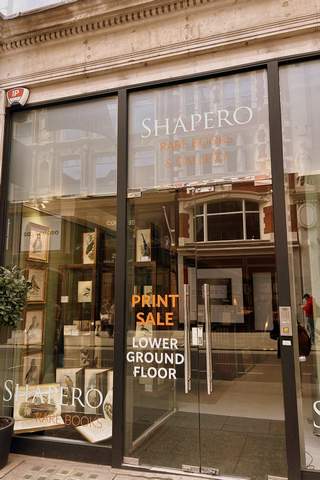 Founded by bookseller Bernard John Shapero, this bookstore is one of London’s premier destinations for rare and antiquarian books. With an exceptional collection, it has earned a reputation as one of the world’s leading rare book dealers, with Slate even calling this “London’s most successful rare-book dealer.” Located in the heart of Mayfair, Shapero Rare Books specializes in rare books, first editions, antique maps, and collectible works—offering something truly unique for collectors and literature enthusiasts alike.
The store’s sophisticated design enhances the extraordinary collection, featuring rich wood paneling, fine lighting, and carefully curated displays of rare volumes. The knowledgeable staff, experts in antiquarian works, provide a personalized experience, guiding visitors through the treasures on offer. During my visit, I felt as though I had uncovered a hidden gem, surrounded by one-of-a-kind pieces. I even found a rare copy of Lady Chatterley’s Lover by D.H. Lawrence, a UK First Edition/First Print from 1932, published by Martin Secker. This controversial book, known for its explicit depictions of sexuality and critique of class structure, led to a famous obscenity trial in 1960.
- Getting There: Shapero Rare Books is located in Mayfair, near Green Park station. Mayfair itself is named after the “May Fair,” a lively annual event held from the 16th to 18th centuries to celebrate May Day.
- Nearby: Hyde Park offers expansive green space for relaxation, and both Buckingham Palace and Bond Street are within walking distance. For art lovers, the Saatchi Gallery in Chelsea showcases contemporary art. Mayfair’s elegant streets, with their fine dining options, further enhance the experience.
Libreria (East London / Shoreditch)
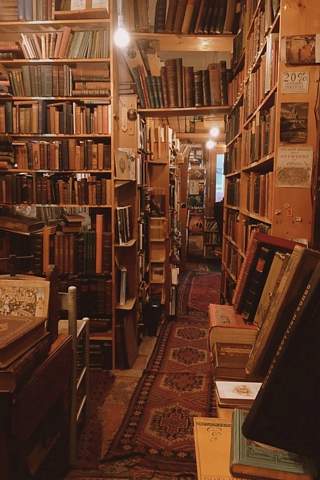 Libreria is truly a celebration of literature and independent publishing, designed to inspire discovery and foster interdisciplinary thinking. When I visited, I was immediately struck by how the store curates books that spark curiosity and challenge conventional ideas. The shelves, arranged by intriguing themes like ‘Wanderlust,’ ‘Enchantment for the Disenchanted,’ and ‘The City,’ encourage visitors to find titles they might not typically come across. It’s a place where underrepresented voices shine, offering perspectives that are both thought-provoking and enlightening.
The inspiration behind Libreria comes from the legendary Argentinian author Jorge Luis Borges, who famously envisioned Paradise as a library. This concept is beautifully reflected in the store’s design. Colorful shelves, clever use of mirrors to extend the space, and cozy reading nooks create an inviting atmosphere where you can lose yourself in a novel. The minimalist yet bold design, with sleek wooden shelves, large windows filled with natural light, and striking displays, enhances the overall experience. Libreria has quickly become a cultural hotspot, renowned not only for its exceptional book collection but also for its eye-catching interior, which has even been featured in several architectural magazines.
- Getting There: The nearest tube station to Libreria is Old Street, located in the vibrant Shoreditch area.
- Nearby: Shoreditch itself has a rich history, once an important centre of Elizabethan Theatre in the 16th century, and remains a hub for entertainment today, with numerous pubs, bars, and nightclubs. The area is also famous for its street art and vintage shops, particularly around Brick Lane. The Whitechapel Gallery showcases modern art, while Columbia Road Flower Market and Shoreditch Park offer peaceful spaces to relax. For a deeper dive into history, the Geffrye Museum explores English interiors across the centuries.
The London Review Bookshop (Bloomsbury)
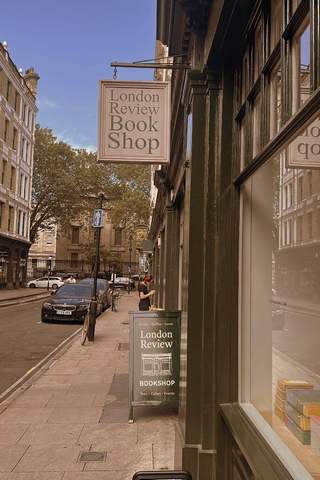 Nestled in the heart of Bloomsbury, a neighborhood with a rich literary history, the London Review Bookshop feels like a window into the intellectual soul of London. Named after the esteemed London Review of Books, the bookshop offers much more than just a wide selection of titles. During my visit, I was struck by how the store curates its collection, focusing on quality and thought-provoking content that stimulates the mind. The well-chosen titles cater to discerning readers, with a special emphasis on new and emerging authors who bring fresh perspectives to the literary world.
The shop beautifully reflects the intellectual atmosphere of its surroundings, which once hosted literary giants like Virginia Woolf and E.M. Forster. With its inviting reading areas and a cozy café, the space encourages visitors to relax and immerse themselves in books. It’s also a hub for literary events and author talks, often held in the adjacent café, making it an ideal spot to engage with the literary community.
- Getting There: The London Review Bookshop is conveniently located near Russell Square in Bloomsbury. The square shares its name with the philosopher Bertrand Russell, though the square itself isn’t directly associated with him. However, a statue of Russell stands in nearby Gordon Square, where he once lived.
- Nearby: The British Museum, home to iconic treasures like the Rosetta Stone, is just a short walk away. For a quieter retreat, Tavistock Square and Coram’s Fields offer peaceful spaces. Bloomsbury’s independent bookstores and charming cafés further enhance the neighborhood’s literary appeal.
Jarndyce (Holborn)
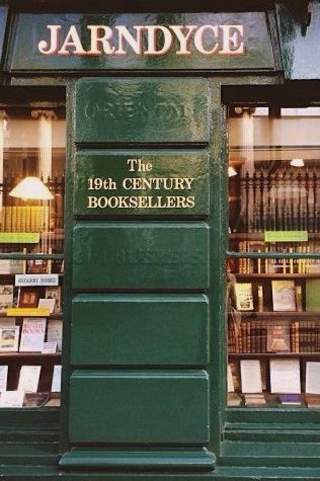 Jarndyce is a rare and collectible antiquarian bookstore that is truly a treasure for bibliophiles. Named after a character in Charles Dickens’s Bleak House, it specializes in rare books, many dating back to the 18th and 19th centuries. During my visit, I was struck by its incredible collection, which spans fiction, nonfiction, poetry, and drama. The store places a particular emphasis on Charles Dickens, history, and classic literature. The atmosphere is warm and welcoming, with traditional wooden shelves and antique furniture that evoke the charm of a bygone era.
What really sets Jarndyce apart is its expertly curated selection of rare and out-of-print books, including invaluable first editions and unique manuscripts. As a collector, you’ll find yourself enchanted by the centuries-old books and one-of-a-kind pieces that line the shelves. It’s the perfect spot for those seeking something truly special and historically significant.
- Getting There: Jarndyce is located in Holborn, with the nearest tube station being Holborn.
- Nearby: Just a short walk away is Lincoln’s Inn Fields, a peaceful public square, while architecture lovers shouldn’t miss the Sir John Soane’s Museum. Covent Garden’s market and the British Museum are also within walking distance, offering additional cultural delights.
John Sandoe (Chelsea)
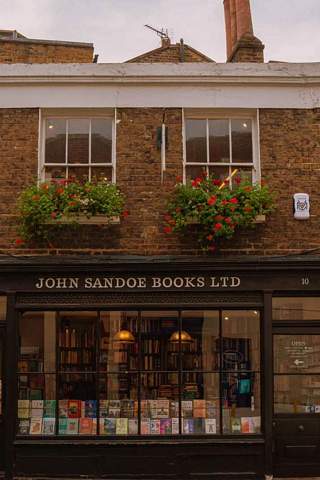 John Sandoe Books, named after its founder who opened the store in the 1950s, exudes a unique charm that’s instantly noticeable. This independent bookstore has earned a reputation for its thoughtfully curated selection, covering genres like fiction, biography, history, and art. During my visit, I immediately appreciated its intimate atmosphere, which makes it the ideal place to discover new titles while engaging in conversation with the knowledgeable staff, always eager to offer tailored recommendations.
What sets John Sandoe apart is its focus on books that larger retailers often overlook, prioritizing quality over trends. The store’s charming blend of traditional and contemporary design, with wooden shelves stacked high and cozy nooks perfect for browsing, creates a welcoming environment. Its quiet, inviting vibe has attracted a loyal following, including renowned authors such as playwright Alan Bennett and historical fiction writer Hilary Mantel.
- Getting There: John Sandoe Books is located in Chelsea, with Sloane Square as the nearest tube station.
- Nearby: For boutique shopping, King’s Road is just a short walk away. The Saatchi Gallery and Chelsea Physic Garden offer cultural experiences, while Hyde Park and Kensington Gardens are nearby for leisurely strolls. The Royal Albert Hall is also within reach, adding a touch of culture to the area.
Walden Books (Chiswick)
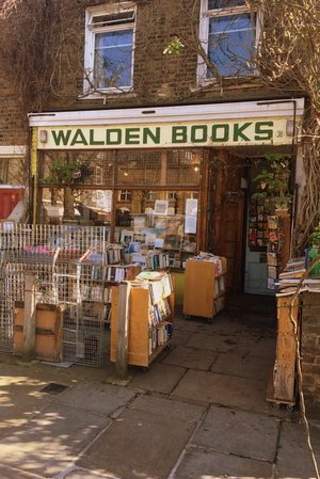 Inspired by Henry David Thoreau’s Walden, Walden Books captures the essence of simplicity, solitude, and a deep connection to nature. The moment I stepped inside, I was enveloped by its cozy, village-like atmosphere, making it the perfect place to unwind and lose myself in a good book. Whether you’re just passing through or exploring the area, this charming independent bookstore offers a peaceful escape.
The store features a carefully curated selection that spans fiction, history, biography, and children’s books. What truly sets Walden Books apart is its personal touch. The simple, inviting design—complete with wooden shelves—creates a warm, relaxed ambiance that makes it easy to spend hours browsing. It’s no surprise that this bookstore has become a beloved spot for locals, particularly families who are drawn to its extensive children’s section.
- Getting There: Walden Books is located in Chiswick, with Turnham Green as the nearest tube station.
- Nearby: For a peaceful retreat, Chiswick House and Gardens are nearby, while the UNESCO World Heritage site, Kew Gardens, offers even more natural beauty. Chiswick High Road is home to a variety of independent shops, and riverside pubs along the Thames provide a charming place to dine with a view.
Foyles—Charing Cross Road (West End / Soho)
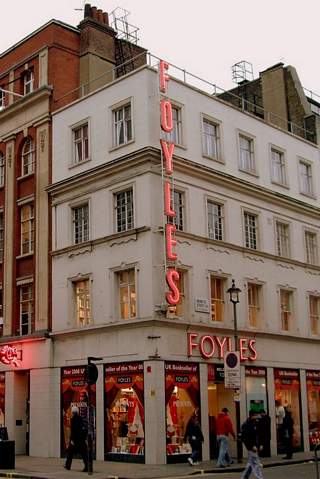 Foyles, one of London’s most iconic independent bookstores, has been a staple of the city since 1903. Founded by William Foyle and Gilbert Foyle and managed by many years by Christina Foyle, it remains one of the largest bookstores in London, offering an extensive collection that spans nearly every genre. Whether you’re in search of classic literature, contemporary fiction, academic works, or children’s books, you’re bound to find something that captures your interest. During my visit, I was struck by the sheer size of the multi-level store, which creates an exciting and slightly overwhelming atmosphere with its labyrinthine layout.
Foyles is particularly renowned for its impressive selection of philosophy, literature, and the arts. The store’s design beautifully blends modern and traditional elements, with towering bookshelves and spacious reading areas that invite you to linger. I found myself drawn to the thoughtful layout and variety of genres on display. The historical significance of Foyles is equally notable—in the 1970s, it played a key role in publishing the controversial Lady Chatterley’s Lover by D.H. Lawrence, which had been banned in the UK at the time. Foyles also earned a special place in literary history when it was immortalized in 84 Charing Cross Road, the beloved book and film about a writer’s correspondence with the store’s staff.
- Getting There: Foyles on Charing Cross Road is conveniently close to Tottenham Court Road station. The street itself, once a market hub, became famous in the 20th century for selling electronics and white goods.
- Nearby: The West End’s world-class theatres are just a short stroll away, while Covent Garden’s market and street performers add to the area’s charm. For art lovers, the National Gallery is nearby, and vibrant Soho and Leicester Square offer plenty of entertainment. If you’re seeking green space, St. James’s Park is a peaceful retreat not far from the store.
The Bookshop (Notting Hill)
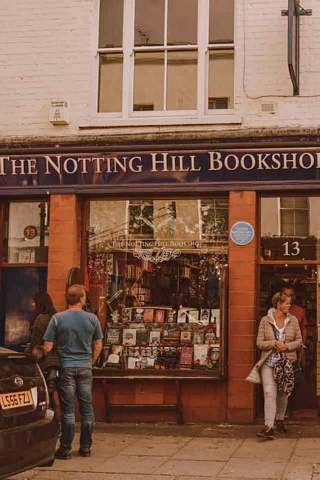 Tucked away in Notting Hill, this charming bookstore offers a warm and inviting atmosphere, with wooden shelves, soft lighting, and cozy reading nooks that beckon you to relax and explore new titles. Whether you’re seeking a hidden gem or simply enjoying a leisurely browse, the shop provides the perfect environment for discovering something special.
In 1999, the store gained worldwide fame when its interior was featured in the romantic comedy Notting Hill, starring Hugh Grant and Julia Roberts. The bookstore became an iconic backdrop for key scenes in the film, and since then, fans from around the globe have visited to experience its charm firsthand. Even if you haven’t seen the film, the store’s cozy design and welcoming vibe make it a must-visit spot in this vibrant neighborhood.
- Getting There: The shop is closest to Notting Hill Gate tube station, making it easy to reach.
- Nearby: Portobello Road Market is just a short walk away, with its antiques and food stalls. For a peaceful retreat, head to Holland Park, or take a leisurely stroll through Kensington Gardens and Hyde Park. The nearby Design Museum in Kensington adds a cultural touch to the area, making it a perfect destination for a day out.
Persephone Books (Bloomsbury)
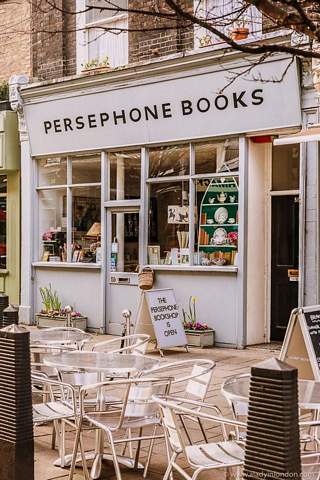 Tucked away in Bloomsbury, Persephone Books offers a unique literary experience focused on reviving neglected 20th-century novels, particularly those written by women. This charming shop specializes in bringing overlooked works back into the spotlight, republishing them in elegant cloth-bound editions that are as visually stunning as they are literary treasures. Each book here is not only a timeless read but also a collectible piece of art.
The store’s name is inspired by the Greek goddess Persephone, symbolizing the cyclical nature of life and the changing seasons. This reflects the store’s mission to resurrect lost voices from the past. During my visit, I found myself surrounded by a carefully curated collection of often obscure yet highly regarded works, offering a rare opportunity to discover literary gems. The design of the store complements this ethos beautifully, with soft pastel-colored books and cozy reading spaces that create a peaceful, reflective atmosphere.
Persephone Books has earned well-deserved praise for its dedication to reviving forgotten novels, making it a quiet haven for anyone looking for new yet timeless literary experiences.
- Getting There: The nearest tube station is Russell Square, located in the heart of Bloomsbury.
- Nearby: The British Museum, a must-see for any visitor, is just a short walk away. Tavistock Square and Coram’s Fields provide peaceful spots for a break, while Bloomsbury’s other independent bookstores and historic sites add to the neighborhood’s literary charm.
Bookseller Crow on the Hill (Crystal Palace)
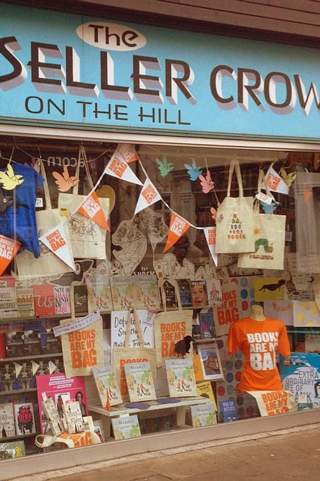 Hidden away in Crystal Palace, Crow on the Hill is a delightful independent bookstore that offers a unique and eclectic mix of fiction, children’s books, and contemporary poetry. I was charmed by its cozy atmosphere and the owner’s expert recommendations, which included handwritten reviews for new releases—a personal touch that truly sets the store apart.
The bookstore’s local interest collection is a highlight, and I was particularly impressed by its fantastic children’s section, which makes it a perfect stop for families. What really stood out, however, was the personalized service. The owner’s uncanny ability to find exactly what you’re looking for—sometimes even with just the vaguest hints—made my visit feel special. The shop itself is equally inviting, with wooden shelves, large windows that flood the space with natural light, and cozy seating areas that encourage you to linger, browse, and settle in with a book.
- Getting There: The nearest tube station is Crystal Palace, making it easily accessible for a leisurely visit. The area’s name comes from the iconic glass-and-iron structure built for the 1851 Great Exhibition, designed by Joseph Paxton and resembling a giant crystal.
- Nearby: Crystal Palace Park is a short walk away and features Dinosaur Sculptures, a maze, and a peaceful lake. For nature lovers, Sydenham Hill Woods is a tranquil reserve, and the Horniman Museum in nearby Forest Hill offers a fascinating array of collections.
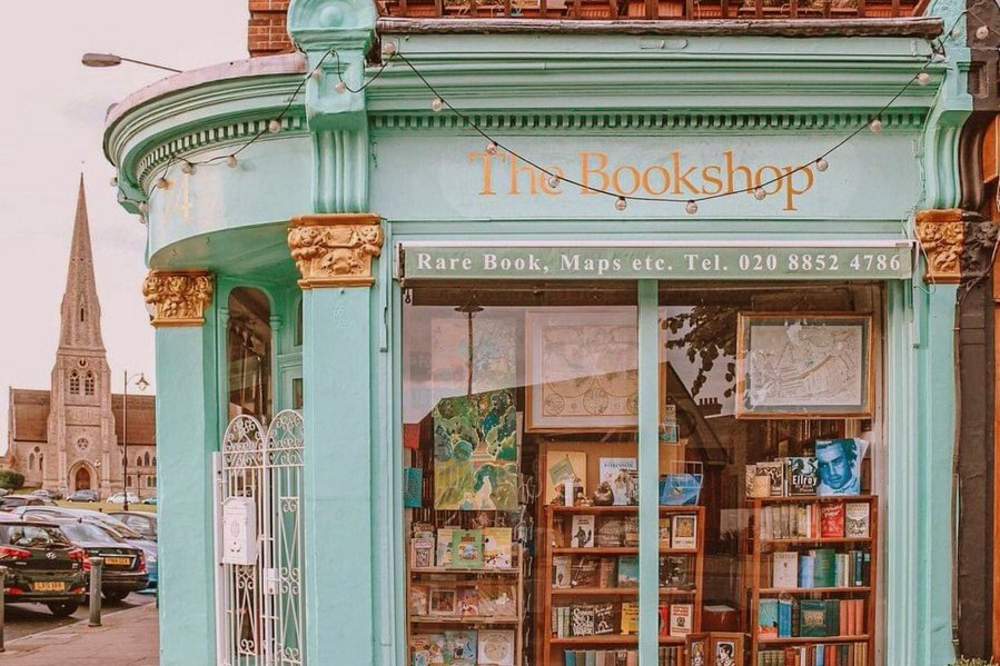
More London Bookstore Bliss
Those are just a few of my favorite indie bookstores in London, and here are many more I’m eager to visit soon.
Despite the rise of online retailers, London’s bookshop scene remains as vibrant and inviting as ever. Many stores have truly raised the bar, offering personalized recommendations, engaging readings, lively book clubs, and cozy cafés where you can relax with your latest literary finds and a steaming cup of tea.
- Arthur Probsthain (Bloomsbury): A century-old treasure with books on Asian and African culture, plus a cozy café where tea, coffee, and afternoon treats complement your literary finds.
- Bookmongers (Brixton): Quirky secondhand shop with eclectic books, charming décor, and a resident cat for delightful browsing. A Brixton gem with decades of devoted followers.
- Books for Cooks (Notting Hill): A cookbook haven with live recipe demonstrations and a tiny café serving irresistible dishes and desserts. Perfect for food lovers and culinary inspiration.
- Bookshop on the Heath (Blackheath): Packed with rare and antique books, plus vintage posters. This quirky shop offers knowledgeable staff and unique finds in a cozy, old-world atmosphere.
- Gosh! Comics (Soho): A graphic novel paradise featuring everything from manga to superhero classics, with vintage comics, colorful prints, and a welcoming vibe for all ages.
- Heywood Hill (Mayfair): Nestled in a Georgian townhouse, this elegant shop blends antiquarian and modern books, offering a royal warrant-worthy selection and rich literary history.
- Housmans (King’s Cross): A progressive hub for radical books, zines, and activism. Special events, niche book groups, and hard-to-find titles make it a thought-provoking destination.
- Kirkdale Bookshop (Sydenham): Community favorite with new and secondhand books, art, music events, and gifts. Its creative energy and cozy charm make every visit special.
- Lloyds of Kew (Kew): Boutique shop inspired by horticulture, offering unique children’s books, art, and gifts. Features a driftwood “book tree” and rare books for plant enthusiasts.
- New Beacon Books (Finsbury Park): A historic pioneer in Caribbean and Black British literature. This shop nurtures diverse voices and inspires community-driven support for its vital mission.
Don’t Forget London’s Feast of Literary Events
 London’s literary scene is a true celebration of the written word, offering a lively mix of events for all kinds of book lovers. Major festivals like the London Literature Festival in October, the Bloomsbury Festival, and Jewish Book Week anchor the city’s literary calendar, featuring a wide range of genres, themes, and voices. The excitement doesn’t stop there—pop-up events, author talks, and readings keep things buzzing, while smaller gatherings in literary hotspots like Bloomsbury offer a more intimate space for fans to connect with authors and fellow book enthusiasts. Workshops, interactive events, and literary walks invite everyone from aspiring writers to curious explorers to dive deeper into the world of literature. Big events like the London Book Fair in March and the Hay Festival London in May draw global publishers, authors, and readers, making it a must-visit city for literary culture.
 At the heart of Airbus’ fleet-wide consistency is its fly-by-wire system, which replaces traditional mechanical linkages with electrical signals processed by onboard computers. This system simplifies aircraft handling by transmitting pilot inputs to flight control computers, which then adjust the control surfaces via hydraulic actuators. Airbus’control laws—set algorithms that govern aircraft response to pilot inputs—are consistent across all fly-by-wire models, ensuring a similar handling experience, regardless of the aircraft’s size or aerodynamics. This approach means pilots experience a consistent flight behavior across Airbus models, from the A320 to the A380, even though the aircraft vary in size and complexity.
 An often-overlooked advantage of Airbus commonality is the standardization of flap settings. Across the entire fly-by-wire fleet, the flap callouts—FLAPS 1, FLAPS 2, FLAPS 3, and FLAPS FULL—remain the same, regardless of the aircraft’s size. While the degree of flap extension may differ, pilots use the same terminology, which simplifies operations when transitioning between different models like the A320 and A380.
 Lee Kuan Yew, Singapore’s first Prime Minister, was a Cambridge-educated lawyer who became one of the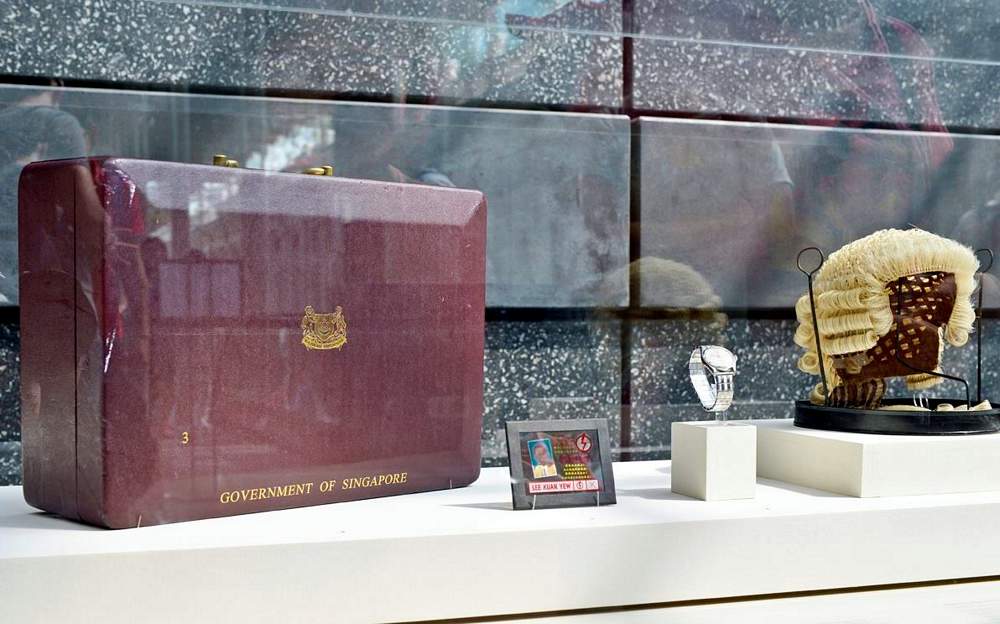
.jpg "'Singapore From Third World to First' by Lee Kuan Yew (ISBN 0060197765)")


 Craftsmanship is imbuing products with character, creative provenance, and purpose. And heritage craft is an artistic resource that should be preserved and supported. It suggests the accretion of knowledge and skills that have been passed down through generations. These skills may have expanded over a long period, but they can be swiftly lost.
 On my outbound journey, I visited the showers near Gates 12, and on my inbound journey, I found the ones near Gate 43 on the Arrivals Level (L5,) both of which were surprisingly easy to locate. These facilities are positioned before security checks, making them perfect for freshening up during layovers or while transitioning between flights. Whether you’re pressed for time or indulging in a leisurely layover, these showers are a godsend.
 The sensation of stepping into the shower after hours of travel is indescribably soothing. The warm water cascaded over me, washing away the stiffness of airplane seats and the weariness of the journey. I was surprised by how uncrowded the showers were, even during peak hours. Arriving late at night on my outbound, I found the space serene and practically empty.
 The free showers at Hong Kong International Airport turned what could have been a routine layover into a moment of


 Over time, the temple fell into disrepair. However, it was reconstructed using pillars and sculptures sourced from the Mūlasthāneśvara Temple, located five kilometers away. While this restoration saved the structure, it also resulted in the loss of much of the temple’s original character.
 The mahādvāra serves as a symbolic gateway to the divine realm, marking the transition from the material to the spiritual. Intricately adorned with carvings of deities, mythological figures, and spiritual motifs, it is a marvel of symmetry and artistic embellishments. Standing over twelve feet tall, the entrance features bass-relief sculptures on various themes. The eastern door jamb displays images of musicians, dancers, gods, and goddesses. The lintel above bears an image of Umā-Maheśvara (Śiva and Pārvatī.)
 The eave running around the mahādvāra is adorned with dancing gods under kīrtimukhas. Notably, there are four stone chain rings (bale,) each intricately carved from a single block of stone.
 The sanctum (garbhagṛha) of the Gaurīśvara Temple houses the liṅga, the sacred symbol representing Lord Śiva. The closed hall (maṇṭapa) features images of several Hindu deities, including:
 The walls of the temple entrance are intricately decorated with reliefs illustrating scenes from purāṇic tales and epics, bringing to life stories from Hindu mythology.
 Budapest’s known as the “City of Spas,” thanks to its rich history and over 100 geothermal springs that’ve powered its renowned bathhouses for centuries. The city offers a rejuvenating escape steeped in
  Budapest’s museums showcase a blend of eccentricity and history. The Pinball Museum holds Europe’s largest collection of over 150 playable machines, perfect for nostalgic fun. The House of Terror Museum, located in the former secret police headquarters, offers a sobering look at Hungary’s fascist and communist past. Memento Park features
  Budapest’s Jewish heritage is deeply woven into the city’s history, marked by the tragic events of Nazi occupation, which saw the community face brutal persecution. Many were deported or lost their lives, with memorials like the Dohány Street Synagogue and the Holocaust Memorial Center preserving this dark past. Despite these hardships, the Jewish community has kept its
  Now’s an ideal time to visit Budapest, a city that beautifully blends its rich history with modern transformation. Since the collapse of the Berlin Wall, Budapest has evolved into a