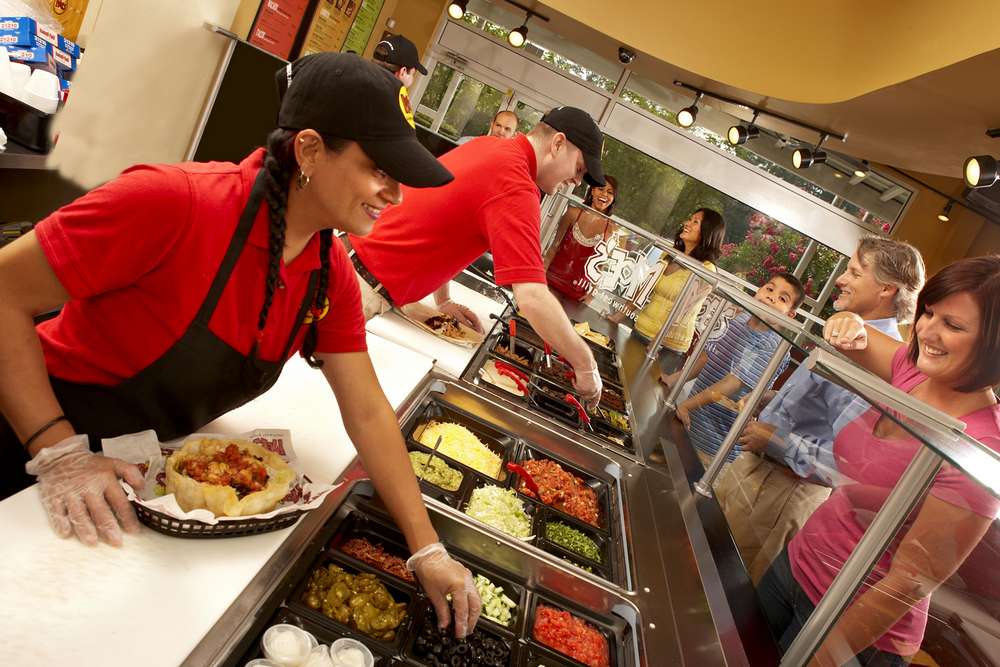
Fast Casual is the fastest growing segment of the restaurant industry. They bridge a gap in the market between fast-food restaurants and casual dining restaurants. The National Restaurant Association recently endorsed a group of 15 fast casual restaurant brand executives to its newly formed Fast Casual Industry Council and recognizes it as one of the fastest-growing segments of the restaurant industry today.
With a hybrid approach, fast casual restaurant chains such as Shake Shack, Nando’s chicken restaurants, Panera Bread, Noodles & Company, Qdoba Mexican Grill, Baja Fresh, and Chipotle Mexican Grill have been winning customers by offering the following enhancements.
- Food Quality: They promise “fresh” food, meaning at the very least not frozen or without as much processed ingredients. Chipotle also says it uses, where possible, meat from animals raised without hormones or antibiotics, and organic and locally grown vegetables. Chipotle is at the forefront of a consumer shift toward naturally-raised proteins and organic produce. Though more costly to source, these fresh ingredients are a key source of differentiation and pricing power.
- Service Type: They offer diners a high level of customization, such as choosing each ingredient in a sandwich, burrito or burger. This appeals to fussy eaters and those with allergies. The service is not always as quick as at a burger joint but, it seems, quick enough. Some fast-casual chains let diners order at their tables.
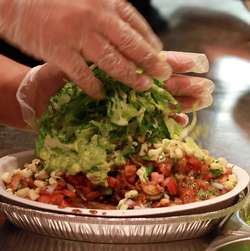 Menu Prices: They have clever pricing that lets can allow optimization of profits. They offer some dishes at around the same price as those at burger joints, but they seem to be better than McDonald’s at nudging diners towards pricier dishes and extras. Fast-casual chains typically manage to squeeze 40% more out of each diner’s wallet than fast-food joints do. For example, at Chipotle, the average customer spend per visit per restaurant in 2013 stood at $11.56, one of the highest in the fast casual segment, with a growth rate of 1% over the prior year.
- Atmosphere and Decor: They give each outlet or store a touch of distinctiveness. This distances them in the eyes of consumers from the “corporate” feel of burger chains. For instance, Nando’s is known to decorate its restaurants with South African art. Even if not technically in the fast casual category, a reinvigorated food and beverage menu and store redesigns have improved the Starbucks customer experience, penetrated new day parts, and improved unit-level productivity metrics.
Both fast casual and quick-service both provide food order and pick-up services from a counter, which vastly improves speed of service.
We forecast that the fast-casual restaurant category to outpace the broader restaurant industry over the next several years.
Fast-casual restaurant competition is intensifying, and switching costs are nonexistent. We estimate that Mexican concepts make up nearly one fourth of the $38 billion fast-casual industry in the U.S.