Dublin Airport observes a unique tradition by closing its terminals and runways for approximately 24 hours on Christmas Day, December 25th. During this time, no flights depart or arrive.
In Ireland’s Catholic culture, blessings are believed to invoke divine protection and invite God’s presence into daily life. A longstanding tradition at Dublin Airport is the annual “Blessing of the Planes,” performed by the parish priest on Christmas Day. This ritual, symbolizing the sanctification and consecration of spaces or objects, underscores the enduring role of faith in everyday life.
On this day, the airport’s tower also shuts down, and the surrounding airspace becomes uncontrolled. This rare situation allows private light aircraft the unique opportunity to land on a major international airport’s runway. While this unofficial practice is generally tolerated, aircraft must remain near the runway and taxiways, refraining from venturing further.
Christmas Day creates a distinctive situation across Ireland, as all airports and ports, not just Dublin Airport, close for the day, effectively isolating the island from the rest of the world. The sole exception is Shannon Airport in County Clare, which remains operational for emergencies and refueling, thanks to its strategic location and long runway.
The tradition of blessing aircraft at Dublin Airport began in 1947 with Aer Lingus planes, which were named after Christian saints. Originally held during the summer, the ceremony moved to Christmas Day in 1967 to coincide with the airport’s closure. Over time, as the airport grew busier, the practice expanded to include Ryanair’s fleet, bringing a sense of sanctity to more airlines.
A similar tradition exists at Ngurah Rai Airport in Denpasar, Bali. This airport closes annually for the “Day of Silence,” known as Nyepi, which marks the Balinese New Year. Emergency operations only. During this Hindu cultural and spiritual celebration, Bali comes to a complete standstill. Streets are deserted, businesses are closed, and lighting is minimal, creating an atmosphere for reflection, meditation, and spiritual cleansing.
Singapore’s striking architecture is evident the moment you land at Changi Airport, with the Jewel glass dome, lush green spaces, and the world’s tallest indoor waterfall cascading across multiple stories. This futuristic, jaw-dropping design sets the tone for the city’s stunning structures. From traditional shophouses to wave-shaped bridges, lotus-inspired museums, and sci-fi trees, Singapore’s blend of old and new makes it a global architectural hub. Here’s a guide to eight of Singapore’s most beautiful buildings.
Marina Bay Sands: A striking example of Futuristic and Deconstructivist Architecture, this integrated resort features interconnected towers topped by a suspended infinity pool. Its bold, unconventional design challenges traditional forms, evoking dynamic movement and fragmentation.
Parkroyal Collection Pickering: An exemplary case of Biophilic & Sustainable Architecture, this hotel incorporates greenery and natural light throughout its design. Cascading terraces, vertical gardens, and sky gardens create a harmonious blend of nature and urban development, making it a standout landmark.
Esplanade—Theatres on the Bay: An example of Expressionist Architecture, this building is known for its dynamic and bold forms that evoke emotion. The iconic durian-shaped design features spiky, reflective domes, symbolizing Singapore’s cultural vibrancy and artistic ambition. Key elements include double-glazed glass ceilings and Y-shaped pillars, all making it a memorable architectural landmark.
Helix Bridge: Showcasing Contemporary & Futuristic Architecture, the Helix Bridge features a DNA-inspired design with intertwining steel forms that reflect Singapore’s forward-thinking approach to urban design. The glass and steel canopy blends functionality with aesthetics, symbolizing both innovation and science.
The Hive, National Technological University (NTU): A fine example of Organic Architecture, The Hive’s honeycomb-inspired design features interlocking, rounded pods that blend seamlessly with the surrounding environment. The structure promotes a sense of community and creativity, further enhancing the connection between nature and architecture.
Henderson Waves Bridge: An example of Contemporary Organic Design, this pedestrian walkway features a wave-like form that contrasts with traditional urban structures. The undulating wooden canopy integrates natural materials into modern design, offering a fluid and organic visual experience.
Parkview Square Building: Featuring Neo-Gothic Architecture, the Parkview Square Building blends traditional European cathedral elements with modern skyscraper design. Its pointed towers and intricate stone detailing evoke the grandeur of medieval castles, while Art Deco influences can be seen in its façade and interior.
Gardens by the Bay: A prime example of Sustainable & Biophilic Architecture, this development integrates natural elements with urban design, enhancing the connection between humans and the environment. The Supertree Grove embodies biophilic design, while the Cloud Forest and Flower Dome highlight sustainable architecture with climate-controlled environments and advanced glass technologies.
Brussels is a city full of life, offering iconic attractions like the Grand-Place, Manneken Pis, and Atomium, charming cobbled streets lined with bars and brasseries, expansive parks, and vibrant neighborhoods waiting to be explored. But if you’re eager to explore beyond the city, Belgium’s compact size and efficient train network make it easy to reach several historic cities in just an hour or less from Brussels. Here are five fantastic day trips from Brussels, with travel times ranging from just 20 minutes to a little over an hour by train.
Marvel at Ghent’s Architecture. Ghent is a haven for architecture buffs, with its stunning medieval city center featuring iconic landmarks like St Nicholas’s Church, the Belfry, and St Bavo’s Cathedral. St Bavo’s is home to the famous Adoration of the Mystic Lamb by Jan van Eyck, a masterpiece of Flemish Primitivism. The city’s pedestrianized center makes it easy to explore on foot, with highlights like the Gravensteen Castle and scenic boat tours along the Korenlei and Graslei quaysides. Ghent also showcases modern architecture, including De Krook Library and the “sheep pen”City Pavilion, making it an exciting blend of old and new for design enthusiasts.
Explore Waterloo’s Historic Battlefields. Just 20 minutes from Brussels, Waterloo is a must-visit for history buffs, offering a glimpse into the pivotal battle that ended the Napoleonic Wars. The Musée Wellington, an 18th-century inn once serving as the British HQ, provides insight into the campaign. Don’t miss the iconic Lion’s Mound, a 28-ton monument marking the victory of the Allied forces over Napoleon’s army, set on the battlefield itself. Nearby, the Waterloo 1815 Memorial features an underground museum, a panoramic painting of the battle, and stunning views from the mound. History enthusiasts should also check out the annual June 18th re-enactment, a vivid recreation of the battle.
Experience Art and Coastline in Ostend. Belgium’s largest city on the North Sea coast offers a perfect blend of art and coastal charm. Once a retreat for European aristocrats, the city now draws art enthusiasts with its striking seafront adorned with installations from the Beaufort Art Triennial, including Arne Quinze’s Rock Strangers on the beach. Art geeks will also love Mu.ZEE, home to works by iconic painters James Ensor and Léon Spilliaert. Ensor’s legacy is celebrated with exhibitions across Belgium, enriching Ostend’s cultural scene. After soaking in the art, coastal lovers can enjoy the Kusttram, the world’s longest tram line, offering breathtaking views of Belgium’s coastline and beach resorts.
Indulge in Bruges’ Sweet Treats. Bruges is a captivating, fairy-tale city, where cobblestone streets, charming canals, and medieval architecture create a timeless atmosphere. The iconic market square, dominated by the Belfry Tower, provides the perfect backdrop for relaxing strolls and outdoor cafés. This city is also a paradise for food lovers, particularly those with a sweet tooth. Bruges boasts over 60 chocolate shops, with favorites like Dumon and The Chocolate Line, offering unique praline flavors such as bacon and saké. De Proeverie is the spot for the finest hot chocolate, while Choco-Story Bruges gives a deep dive into cocoa’s history with interactive exhibits and free samples. For another treat, indulge in the city’s famous waffles, whether light Brussels-style or decadent Liège waffles, with a waffle-making workshop adding extra fun. Bruges is also renowned for its diverse beer varieties, deeply rooted in a brewing tradition that dates back to medieval monks, who perfected their craft within the city’s historic abbeys, creating rich, flavorful brews that continue to delight visitors today.
Shop in Antwerp’s Chic Boutiques. Belgium’s second city has long been synonymous with fashion, especially since the 1980s when the avant-garde Antwerp Six put it on the global style map. Among them, Dries Van Noten stands out with his elegant HQ, Het Modepaleis, showcasing dramatic tailoring and stunning prints. The city’s charm extends beyond fashion, with the historic Cathedral of Our Lady and Antwerp Central Station impressing architecture enthusiasts. Explore the trendy Sint-Andries neighborhood for the MoMu fashion museum and unique boutiques, while the pedestrianized De Wilde Zee offers quaint shops and bakeries. Don’t miss the chic Zuid district, home to Ann Demeulemeester’s minimalist boutique and vibrant dining at Vitrin and Fiskebar.
Economics gives you the tools to make smarter decisions, manage your resources better, and understand human behavior. By applying a few key economic principles, you can enhance how you manage your time, relationships, and choices every day. Here are five essential ideas from economics that can improve your life.
1. Scarcity and Choice
Resources are limited, but your wants are endless. This imbalance forces you to make tough decisions about how to use what you have. Whether you’re budgeting, prioritizing tasks, or managing time, scarcity requires you to consider trade-offs and what you give up with each choice.
Get Wiser:: Accept that you can’t have it all. Focus on what truly matters, and make intentional decisions that bring you more satisfaction and less regret.
Manage People Better:: Recognize that everyone’s time and resources are limited. By being mindful of others’ commitments, you show respect and foster stronger relationships based on empathy.
2. Supply and Demand
The prices and availability of goods are shaped by supply (how much is available) and demand (how much people want.) Understanding these forces helps you make informed decisions, negotiate better, and adapt to shifting market conditions.
Get Wiser:: Don’t take market changes personally. Understand that fluctuations happen, and look for opportunities to adapt and thrive in the face of change.
Manage People Better:: In relationships, understanding supply and demand helps you gauge the “value” of your requests. If someone is in high demand, you’ll be more understanding when they can’t fulfill your request right awayand vice versa, when you’re in high demand, you can set healthier boundaries.
3. Incentives
People are motivated by incentives, whether rewards or consequences. Recognizing what drives you and others helps you make smarter choices and shapes how you act, whether it’s saving money, working harder, or collaborating more effectively.
Get Wiser:: Identify the incentives that motivate you. Set up your environment and habits to align with your goals, making it easier to stay on track and avoid procrastination.
Manage People Better:: Understand what motivates others, and you can frame your requests to appeal to their incentives. By offering rewards or highlighting the benefits, you encourage cooperation and strengthen relationships.
4. Opportunity Cost
Every decision you make involves a trade-off. Opportunity cost is the value of what you give up when you choose one option over another. By evaluating alternatives, you can make smarter choices and allocate your time, money, and energy more efficiently.
Get Wiser:: Be intentional about your choices. Always consider what you’re sacrificing, so you can prioritize what truly adds value to your life.
Manage People Better:: When you set expectations for others, recognize the opportunity costs they face. Showing understanding of their trade-offs helps build empathy and ensures your demands are realistic.
5. Comparative Advantage
You, like everyone else, have a comparative advantage that enables you do more some things efficiently than others. By focusing on what you do best and collaborating with others who excel in different areas, you can increase productivity and create greater value.
Get Wiser:: Focus on your strengths. Delegate or collaborate on tasks that aren’t your strong suit, and you’ll experience less stress and more fulfillment.
Manage People Better:: When working with others, leverage their strengths and acknowledge your own. By recognizing comparative advantage, you can delegate effectively, set realistic expectations, and collaborate more efficiently.
By applying these five economic principles, you can make better decisions, manage your resources more effectively, and strengthen your relationships. These insights help you navigate life’s complexities and create a more productive, fulfilling future.
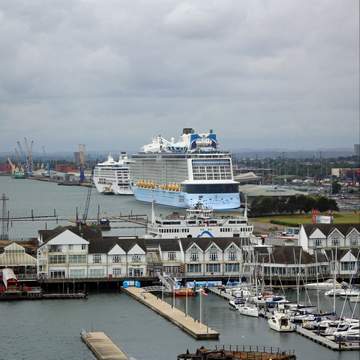
Southampton is a bustling maritime hub on England’s south coast. It combines rich history with modern port operations, including being the departure point for the ill-fated Titanic in 1912. Today, it remains a key player in maritime affairs, serving as Cunard’s primary port and the European terminus for the Queen Mary II’s transatlantic service between Southampton and New York City. The port also handles substantial cargo volumes, cementing its importance beyond cruise lines.
The Port of Southampton is vital to the UK’s maritime activity. Its strategic location on the south coast offers excellent access to key shipping routes. As the UK’s top cruise port, it welcomes millions of passengers annually aboard some of the world’s largest cruise liners. With well-equipped terminals, embarking and disembarking are efficient. The port also handles significant freight, including containers and vehicles. Managed by Associated British Ports (ABP) and operated by DP World Southampton, the port is continuously modernizing to maintain its global competitive edge.
Disembarking and Planning Transportation from Southampton Port
When departing from Southampton cruise port, timing and transportation are crucial. Disembarkation usually begins at 7:00 AM for passengers who carry their own luggage, and at 7:30 AM for standard disembarkation. If you need to leave earlier, you can request a special disembarkation slot, but planning ahead is recommended.
For those flying from Southampton Airport, it’s a quick 20-minute taxi ride, or 30 minutes if traffic is heavy. The airport is small, with minimal security lines, providing a streamlined experience compared to larger airports like Heathrow. If you’re flying from Heathrow, plan carefully, as it’s recommended to arrive three hours before your flight. While two hours can suffice, you’ll need at least 90 minutes for check-in, security, and immigration.
It’s generally not feasible to disembark from the cruise and reach Heathrow in under four hours. Cruise lines suggest booking coach services for flights departing after 12:30 or 1:00 PM, with weekend travel offering more flexibility. The first coach departs before 8:30 AM, but it’s safest to book the latest possible flight to avoid stress.
Several transportation options are available for reaching Heathrow from Southampton:
1. Private Transfer/Taxi
A private transfer is the most convenient and comfortable option, especially for those with heavy luggage. A driver will meet you at the cruise terminal and take you directly to Heathrow, ensuring a smooth journey. Though the most expensive choice, private transfers offer a luxurious travel experience. However, travel times may vary depending on traffic, particularly during peak hours.
2. Cruise Line-Arranged Transportation
Cruise lines offer coach transfers from Southampton to Heathrow. These services simplify the journey, making it easier than using public transport. However, they are costly, and prices vary depending on the cruise line. Some, like Princess, offer reasonable rates, while others, like Cunard and Royal Caribbean, charge higher fees. These coach services are recommended for flights after 12:30 or 1:00 PM, though weekend travel offers more flexibility.
3. Train from Southampton to Heathrow
Traveling by train from Southampton to Heathrow can be challenging due to the lack of direct rail connections. The journey typically requires multiple transfers, including a transfer from Southampton Central to London Waterloo, then to Paddington Station, and finally to Heathrow. Additional transfers may be needed, especially if the route goes through Havant, Three Bridges, or other stations. Delays due to engineering works or adverse weather can further complicate the journey. Carrying heavy luggage through busy stations, especially those lacking elevators, adds to the difficulty. While train travel can be scenic, its complexity makes it less ideal for those with tight schedules.
4. Coach/Bus
Coaches, such as those operated by National Express, offer a budget-friendly option for traveling from Southampton to Heathrow. While coaches follow direct routes, they are susceptible to traffic delays, especially during peak hours. The comfort level of coaches can vary, but they often offer fewer amenities than private transfers or trains. Still, coaches are a good option for those on a budget or with a flexible schedule. Though slower, coaches offer a more straightforward route compared to trains with multiple transfers.
5. Combined Transfer/Tour
For those with extra time, a combined transfer/tour offers a chance to see landmarks like Stonehenge or Windsor Castle en route to Heathrow. This option allows you to explore more of Britain’s countryside, but it’s not ideal for those on tight schedules and tends to be more expensive than standard transfers.
6. Additional Options, Not Practical
Unbooked taxis or one-way car rentals should be considered a last resort. Taxis from Southampton to Heathrow can cost between GBP 200 and GBP 250, and some drivers may refuse long journeys. Renting a one-way car is impractical due to pick-up and drop-off logistics. These options are expensive and time-consuming, making them less ideal unless other transportation options fail.
On to Continental Europe: Ferry Services
If you’re continuing your travels to continental Europe, ferries offer a convenient option. Plymouth and Portsmouth, located near Southampton, provide international ferry services. Plymouth connects to France and Spain, while Portsmouth, closer to Southampton, offers routes to France, Spain, and the Channel Islands. While Plymouth is farther away, Portsmouth is a more convenient and versatile option for international travel.
360-degree feedback gives you a well-rounded view of your performance by gathering input from peers, subordinates, customers, and your supervisor. This method helps you identify your strengths and areas for development, offering a deeper understanding than traditional top-down feedback.
The goal is to boost your self-awareness, foster continuous improvement, and encourage accountability by showing how others perceive your behavior and impact.
Best Practices for Effective 360-Degree Feedback
To get the most from 360-degree feedback, follow these best practices:
Focus on Development. Use feedback solely for your growth, not for performance evaluations or decisions about promotions or pay. When feedback is aimed at development, it creates a safe environment where you can receive honest, constructive feedback and focus on self-improvement without fear of negative consequences.
Participate Voluntarily. Participating voluntarily leads to better engagement and receptiveness to feedback. When you choose to get feedback, you’re more likely to take it seriously and use it for your growth. Being forced into feedback can create resistance and hinder its effectiveness.
Choose Your Raters. Select your raters with input from your supervisor. This ensures the feedback comes from people who know you well and can provide meaningful insights into your performance. Your supervisor’s guidance ensures you choose raters who offer a balanced perspective.
Ensure Anonymity. Raters need to feel their feedback is anonymous to provide honest insights. Knowing their identities are protected encourages raters to be candid. Having enough raters also reduces the chance of bias and gives you a more accurate view of your performance.
Prepare to Receive Feedback. Training helps you understand how to interpret feedback constructively and use it for growth. It teaches you how to manage emotional reactions and focus on developing action plans to improve your performance.
Follow Up for Clarity. After receiving feedback, have follow-up discussions with your raters. This lets you clarify any ambiguities, gain deeper insights, and ensure you fully understand the feedback, which helps you develop a clear action plan.
Potential Drawbacks of 360-Degree Feedback
While these best practices can make 360-degree feedback highly effective, there are some challenges to consider:
Limited Organizational Impact: Focusing on development may reduce the perceived value of feedback within the organization, making it less impactful.
Inconsistent Participation: Voluntary participation can lead to uneven engagement, with some employees missing out on valuable feedback.
Bias in Rater Selection: Choosing your raters may introduce bias, as you might select those who will provide positive feedback.
Logistical Challenges: Ensuring enough raters to maintain anonymity can be difficult, especially in smaller teams or with fewer resources.
Training and Follow-Up Costs: Providing training and follow-up discussions requires time and effort, which can be resource-intensive and may not always be effective without proper implementation.
While challenges exist, following these guidelines will help you gain valuable insights from 360-degree feedback and foster continuous growth.
The anxiety of a tight connection is something every American Airlines frequent traveler has felt. You book a seemingly ideal itinerary, only to discover your layover is a nail-biting 39 minutes. Will you make it? Airlines often sell these connections, but there’s more to the story than just flight times. Here’s what you really need to think about when you’re facing a tight connection, especially with American Airlines, or any other airline for that matter.
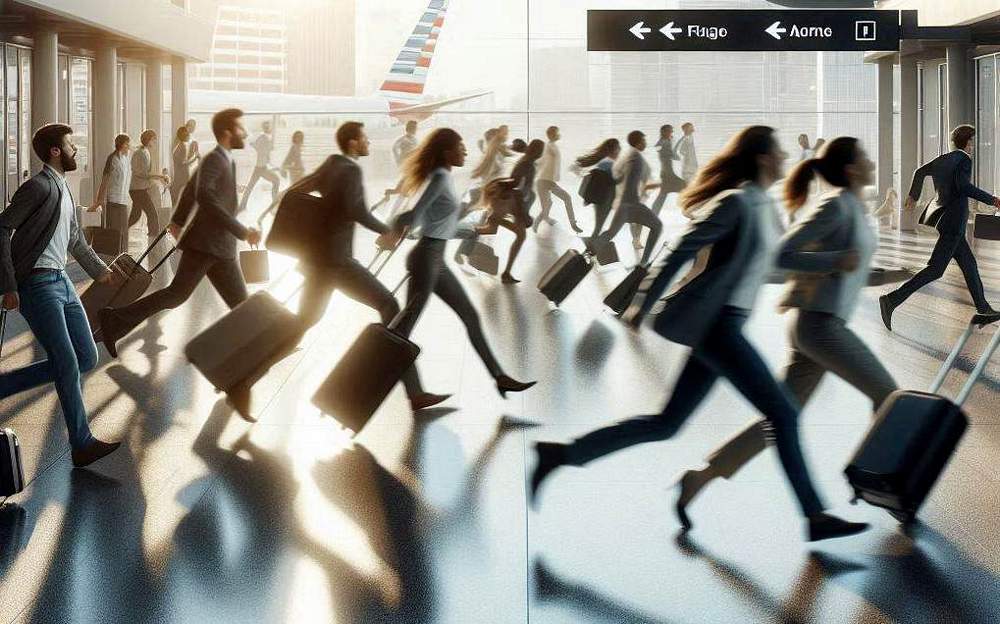
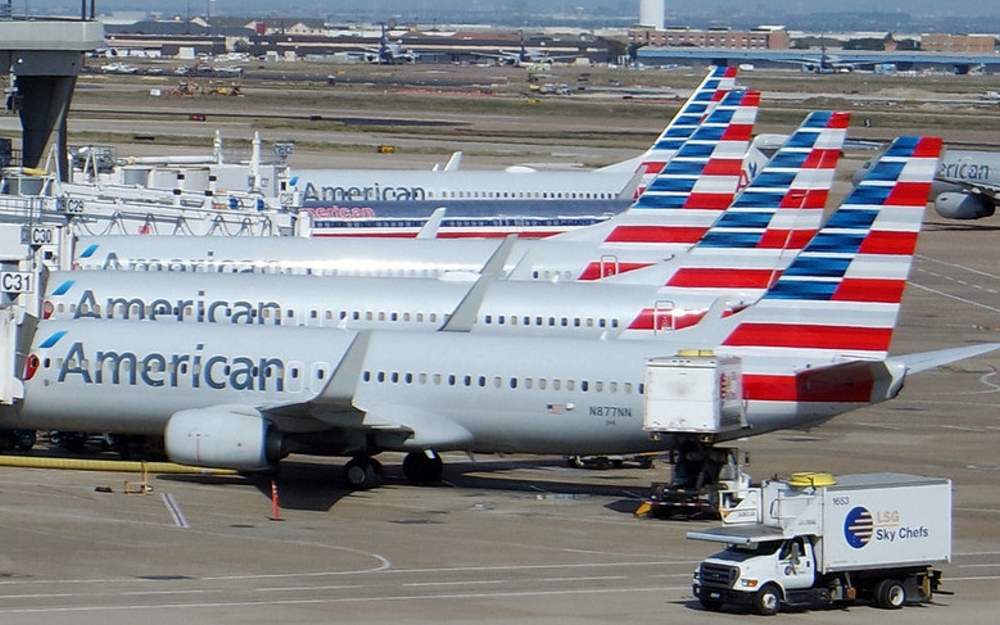
A tight connection isn’t just about how much time you have between flights. Several key factors influence whether you’ll actually make it: the timely arrival of your incoming flight, how long it takes to deplane, and the time it takes to get from one gate to another. If you’re seated in the last row of a full 777, getting off that plane could eat up precious minutes. Plus, you’ll need to know the layout of the airport you’re connecting through—airports like Dallas/Fort Worth (DFW) are sprawling, and walking from one gate to another can take time you might not have. Not to mention that, at DFW, your tight connection might mean a dash to the Skylink, the inter-terminal tram, to reach a distant gate. Be prepared for a swift ride, as those trams are crucial for navigating the airport’s vast layout. Fortunately, American Airlines’ app can help you plan, offering terminal maps and directions.
And don’t forget: boarding doors close 15 minutes before departure. So, that one-hour connection you think you have? It’s really more like 45 minutes once you get to the gate.
Another thing to consider is the pressure on gate agents. They are under significant stress to meet D0 (Departure Zero) targets, which measure on-time departures. These numbers are critical to the airline’s network and financial success. Gate agents juggle a lot—boarding, dealing with passenger issues, baggage handling, and last-minute gate changes. If there’s a delay, it can affect the entire network, and the decision to hold a flight isn’t taken lightly. While some agents may hold the plane a few extra minutes if they can, especially for the last flight of the day, they’re not always able to. Delaying a flight can lead to a domino effect that impacts subsequent flights, so they’re typically bound by protocol.
Airlines also have Minimum Connecting Times (MCTs) based on airport size and whether your flights are international or domestic. These MCTs are meant to give you enough time to make your connection, but at certain airports—like Phoenix (PHX) or Charlotte (CLT)—the MCTs can be tight, often leaving little room for error. If you’re connecting in Charlotte with a 30-minute window, even a small delay on your inbound flight can make your connection impossible. And, of course, the airline is unlikely to sell you an itinerary that violates these MCTs in theory, but in practice, it can still be risky.
Minimum Connection Times and Delay Danger
Remember, American Airlines and other major carriers do sometimes offer tickets with connections in non-hub airports, even when using their own mainline aircraft and when booking with points. However, it’s less common than connecting through their major hubs. In April, I have a three-leg American booking booked in miles from New York JFK to Sarasota, Florida, through Indianapolis (not an American Airlines hub) and Charlotte (which is an American Airlines hub.) Both the connections are less than 45 minutes.
Delays are inevitable in air travel. Even if everything seems smooth sailing, things don’t always go as planned. A 45-minute connection might look fine on paper, but a 10-minute delay can quickly throw a wrench in the works. That’s why it’s essential to be prepared for what might happen if you miss your connection. Are there other flights that day? If not, be ready for the possibility of an overnight stay. Travel insurance—especially the kind that covers trip delays—is a godsend in these situations. If you’re headed to a wedding, cruise, or some other important event, consider flying in the day before. Anything can happen with travel—delays, cancellations, or even missed connections. Don’t let one slip-up ruin your plans.
United Airlines has a technology-driven system called ConnectionSaver that automatically monitors flight data to identify passengers with tight connections, proactively assisting them by strategically holding flights when feasible and providing personalized text notifications and app updates with gate information and directions. While American Airlines doesn’t yet have a program like this, they do utilize similar technology and operational procedures to manage connecting passengers, using complex computer systems to monitor flights and their mobile app to provide gate information and updates, aiming to minimize missed connections and improve the overall passenger experience.
If you miss your connection, rebooking can be a pain. You might find yourself downgraded, with your seat assignments lost, or even split up from your travel companions. If your flights are on separate tickets, the airline may not even be obligated to rebook you. It’s always a good idea to know your rights and be prepared for the possibility of extra costs or delays in your journey.
What’s Your Risk Tolerance: Is Your Tight Connection Worth It?
When it comes to tight connections, it’s important to understand your own risk tolerance. For some, the savings or shorter travel time might outweigh the potential headache of a missed flight. If you’re okay with possibly missing a business meeting or important event for the sake of a cheaper, quicker connection, then it’s a personal decision. But be honest with yourself about the consequences of a missed flight, and ask yourself whether it’s worth the gamble.
Gate agents, while under immense pressure, sometimes show a bit of compassion. If they see you’re really close to making it, some might hold the plane for a few minutes—especially if it’s the last flight of the day. But keep in mind, this is not guaranteed, and they’re generally operating within strict operational protocols to maintain on-time departures. Airlines will rarely make changes to tight connections without charging a fee, so if you find yourself in a bind, be ready to pay for any last-minute adjustments.
In general, when booking a connection, aim for a window of 90 minutes to three hours. This range typically minimizes the risk of missing your next flight. The ideal connection time depends on several factors: how crucial it is to get to your destination on time, the time of day you’re traveling (mornings are generally more reliable,) and the likelihood of weather-related delays (for example, expect more delays if you’re flying out of Florida on a summer afternoon.) If you’re checking bags, avoid short connections. You don’t want to end up making your flight but having your luggage miss the connection.
Don’t Stress Too Much, You’ll Probably Be Fine
There’s no point in stressing over tight connections before you even leave home. Travel is unpredictable, and fixating on “what-ifs” is only going to add unnecessary anxiety. Most of the time, you’ll be fine, and the airlines sell these connections all the time. If something unexpected happens—like a delay or gate change—deal with it in the moment. Speak with airline representatives, explore your options, and stay flexible. Worrying about potential problems before your journey is counterproductive. A calm, adaptable approach on the day of travel will serve you far better than stressing out ahead of time.
Here’s the bottom line: Tight connections are manageable, but it’s crucial to be prepared. Understand your risk, have a backup plan, and stay calm. In the end, a little planning and flexibility can make all the difference.
The Dala horse, or Dalahäst, is a beloved symbol of Swedish folk art, originating from the Dalarna region in central Sweden. Its creation began during long winter nights, when local woodcarvers crafted simple toys for their children using basic tools. Early Dala horses were made from leftover wood scraps, with horses being a natural choice due to their cultural significance.
The distinctive decoration of the Dala horse draws from Swedish furniture painting, particularly the “kurbits” style. Local folklore tells of a wandering painter who, upon seeing a toy horse that lacked the intricate designs of other farm decorations, embellished it with floral patterns. Today, the Dala horse is often painted with a red body and vibrant floral designs in white, green, and yellow.
In the 19th century, the Dala horse became part of a flourishing cottage industry. Carved and painted by hand, these figurines were traded for goods and became integral to the livelihood of families in Dalarna. The skills passed down through generations have embedded the Dala horse in Swedish culture. By the 1930s, it gained international attention at the World’s Exposition in Paris and the World’s Fair in New York. This led to its mass production, making the Dala horse both a popular toy and a symbol of Swedish folk art.
Though mass production made the Dala horse more accessible, the tradition of handcrafting these figurines persists. Skilled woodcarvers in Dalarna continue to create authentic pieces, preserving their quality and cultural significance. The Dala horse often appears in Swedish cultural celebrations, such as the Midsummer festival, where it complements other traditional art forms. Swedish folk art is known for its vivid colors, intricate patterns, and strong ties to nature, with the Dala horse fitting seamlessly into this vibrant tradition. It shares visual harmony with other forms of folk art, such as the painted furniture of the region, decorative textiles, and wooden carvings that depict animals, plants, and everyday life.
Today, Dala horses are widely available, with hand-carved versions sold in Sweden, particularly in the Dalarna region, and mass-produced versions available in larger retailers like IKEA. Both types allow people to bring a piece of Swedish heritage into their homes, whether as a collectible or a decorative item.
Competencies play a central role in driving individual performance, but they are also integral to the larger system that leads to desired outcomes. According to Laide Abe’s People as Assets: Building High Performance Organizations (2020,) the most effective way to define competencies is through behavioral language. This approach emphasizes observable actions that directly contribute to achieving job goals, fostering clarity, reducing misunderstandings, and preventing resistance.
For instance, when defining a skill like “excellence,” it is essential to describe it through specific actions rather than vague or abstract terms. What does excellence look like in practice? By observing individuals who demonstrate excellence and clearly outlining their behaviors, you establish clear and consistent expectations.
To assess and apply competencies effectively, there are three key steps:
Observe: Focus solely on what the person does or says, without making judgments at this stage.
Describe: Provide a clear and factual account of what was observed in relation to the performance skill. Ensure that your description is measurable and verifiable by others.
Infer: Based on the observations, make reasonable conclusions or predictions about the person’s behavior. Use rating scales when available, and test your inferences through further observations to confirm or challenge them.
These steps help prioritize observation and description over subjective perceptions or emotional responses, leading to a more objective and accurate understanding of performance. A strong performance skill is one that is grounded in observable actions, free from abstract concepts like “motivation” or “cognitive patterns.” By focusing on specific behaviors, you ensure greater clarity and fairness, reducing biases like stereotyping, which can arise when individuals are judged based on broad assumptions about a group.
Use a behavioral approach to define and assess competencies. It leads to more consistent and effective evaluations, fostering a high-performance culture while minimizing prejudice.
Bali’s spiritual essence is rooted in a unique form of Hinduism, blending traditional beliefs with indigenous animism, where rituals and offerings create a profound connection to the divine and the natural world.
Hinduism arrived in Bali through ancient trade routes and the influence of Javanese kingdoms, particularly the Majapahit Empire. Over time, Bali became a refuge for Hindu scholars and nobles, preserving its cultural and religious identity within a predominantly Muslim Indonesia.
Central to Bali’s spiritual landscape are the Sad Kahyangan Jagad, the six holiest temples, each considered a point where the divine and earthly realms converge. Among these, Pura Lempuyang Luhur (Pura Penataran Agung Lempuyang) stands as one of the island’s most sacred. Perched on the slopes of Mount Lempuyang, it is one of Bali’s nine directional temples, believed to protect the island and maintain spiritual balance. The climb to the temple’s peak is seen as a pilgrimage, symbolizing a journey toward enlightenment.
Famed for its “Gates of Heaven,” the temple has recently gained global attention, thanks to its striking visual appeal, particularly the breathtaking view of Mount Agung framed by the gates. This photogenic sight has turned the temple into a viral destination on social media. However, to truly appreciate Lempuyang, one must recognize its deeper spiritual significance. The climb, the temple’s sacred role, and its place in Balinese Hinduism reflect the “Tri Hita Karana” philosophy of harmony. It is not just a backdrop for photos, but a living place of worship and spiritual refuge, offering visitors not only a stunning visual experience but also a chance for genuine connection to Bali’s divine forces.







.jpg "'The Art and Science of 360 Degree Feedback' by Richard Lepsinger (ISBN 470331895)")




.jpg "'People as Assets' by Laide Abe (ISBN 9789843402)")

